
Learn 11 powerful ways to save money from salary in India in 2026. Simple budgeting, saving strategies, and smart tips to grow your money faster. save money from salary India, salary saving tips India, how to save salary, monthly saving plan India, budgeting India, save money fast India 2026.
Introduction
By 2026, setting aside cash matters more – but feels tougher – for many working Indians. Rising prices chip away at paychecks, while daily costs climb without warning. Digital ease makes spending quick, almost invisible, pulling budgets even tighter. Those bringing in steady incomes still wind up flat broke when the month ends. Savings slip through fingers despite good earnings.
What matters most isn’t your paycheck size – your handling of money shapes results. When there’s no clear plan, spending grows quietly until it takes every dollar. Relying only on self-control fails often because systems beat discipline over time.
Here’s how to save part of your paycheck in India – without stress. Simple habits make the difference, even if times feel tight. Start small; results grow without needing perfect discipline. Paychecks vary, yet steady steps matter most. ₹20,000 or more each month, progress begins now. Stability forms through routine choices, not sudden changes. What works today stays useful years ahead. Money feels clearer once patterns shift. Little effort adds up when repeated. Calm builds where chaos used to live.
Why Saving Money Feels Hard in 2026
Money saved by fewer people in 2026 might stem from how life costs more now, particularly in cities where housing, food, and travel eat deep into paychecks. Still, tapping a phone or swiping plastic removes any physical sense of loss – unlike handing over paper bills – which quietly erodes caution. Without noticing, small buys stack up fast because speed replaces thought. Each transaction slips through like water between fingers.
Scrolling feeds show lives that seem better, pulling attention toward what’s out of reach. That constant glance at someone else’s highlight reel nudges spending on things not needed. Credit cards tucked into apps make borrowing feel like buying, blurring real cost lines. Later bills arrive, heavy with choices made when money felt limitless. You can also refer to official financial awareness resources from the Reserve Bank of India to understand safe banking and money management practices.
Without knowing much about money, people struggle. School rarely covers tracking expenses, setting aside funds, or growing wealth. So routines take over instead of clear plans. Because of this mix, putting cash away seems too hard – yet staying consistent and learning step by step can shift that.
11 Powerful Ways to Save Money from Salary in India
1. Start with the “Pay Yourself First” Rule
Start by setting aside cash right when payday hits – makes it real instead of chasing leftovers later. Happens every time income lands, not left to chance near month’s close. Saving shows up like a bill you can’t skip, fitting neatly into routine. Turns what could be guesswork into something steady, almost automatic. Money moves happen early, so they stick without needing willpower down the line.
Most people find it easier to save when they set aside part of each paycheck right away. A slice of income, say one out of every five dollars, moves into savings before anything else. Life shapes itself around what is left. Effort fades into background once the pattern sets in. Stability grows quietly through repetition. Willpower plays less of a role as routine takes hold.
This way removes doubt right away. Rather than crossing fingers on savings, each month locks them in place. Staying aware of costs becomes automatic, which keeps extra purchases out of reach. Consistency draws those who build lasting financial success – this path delivers steady outcomes over time.
2. Follow a Practical Budgeting System
Starting with a plan gives control over money matters. When income gets sorted ahead of time, needs come first – then extras follow behind. Clear choices today mean fewer surprises later on. Spending stays in check because limits show up where they matter most.
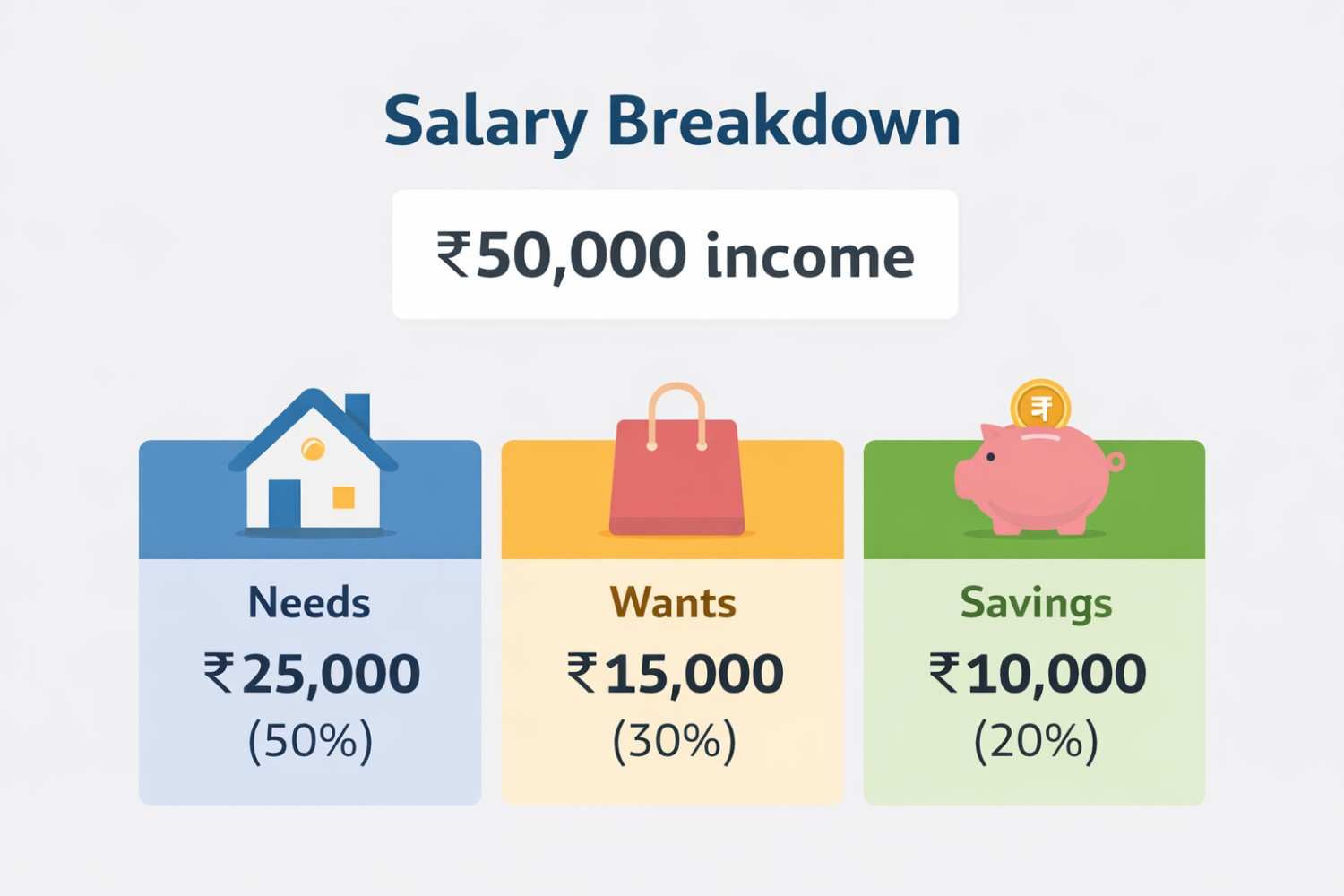
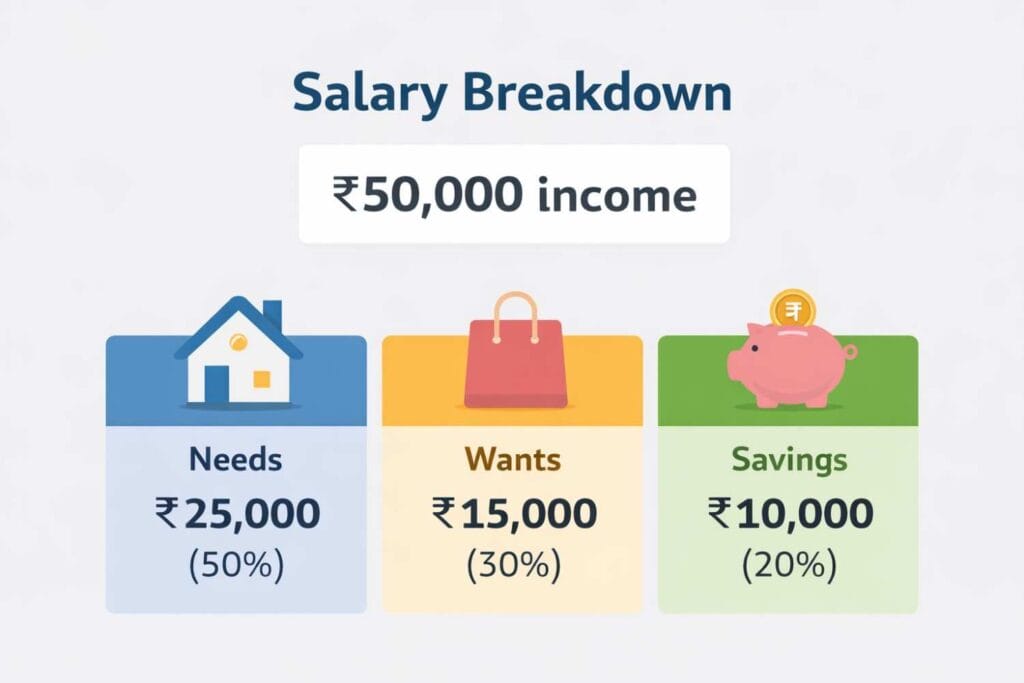
Sometimes life in India fits better when the 50/30/20 money idea bends a little – shaped by how much you earn, where you live. Realistic beats strict every time if you want something that lasts. What matters most? Your spending plan actually matches what you do each day. Staying steady feels easier once it lines up with reality. Using a structured budgeting method can simplify your finances, especially when you understand how to invest your first salary effectively. Budgeting also reduces financial stress by giving you a clear plan. When you know exactly where your money is going, you make better financial decisions and avoid unnecessary expenses.
3. Track Every Expense Consistently
What if every dollar had a name? Most folks brush off tiny buys like they’re nothing. Yet week after week, those little hits add up – quietly chipping away at what could be saved. Spotting each outflow changes how you see money moving out the door.
Watching where money goes helps see habits more clearly. When numbers add up, wasteful choices become obvious – fixing them follows naturally. Sticking to this routine shapes better judgment about cash. Discipline grows without needing strict rules.
Sticking with it matters most when keeping track. No matter if you pick a digital tool, paper log, or grid on a page – what counts is staying clear and responsible. Doing this small thing regularly might quietly boost how well you hold onto cash.
4. Eliminate Hidden Money Leaks
Spending slips through fingers when little costs pile up without notice. Think takeout orders piling midweek, streaming plans left on pause, quick buys at checkout stands, habits shaped by keeping up appearances. Each feels minor until added together. Over months, those bits hollow out wallets more than expected.
Spotting where cash slips away helps save more, even when earnings stay flat. What matters most? Choosing each buy with care instead of grabbing what’s easy. Start saving a little each day by shifting how you spend. Because of this shift, life stays comfortable but money stress fades. Over time it adds up without needing big sacrifices. This approach allows you to maintain your lifestyle while improving your financial health. Understanding spending behaviour becomes easier when you explore how lifestyle expenses impact your savings over time.
5. Build an Emergency Fund First
A sudden setback can shake your finances – having cash set aside helps. When trouble hits, like losing work or facing hospital bills, that stash keeps you steady. Instead of turning to debt when surprise costs come up, money saved ahead of time covers it. Running short might push you toward borrowing if nothing’s stored away.
A good rule is saving enough to cover half a year of daily costs. That cushion helps when surprises come up, keeping your budget on track. Knowing things are set brings calm. Focus shifts easier toward future plans. efore investing, make sure you understand where to keep your emergency fund safely in India to avoid risk.
6. Automate Your Savings System
Picture this: money moves itself before you even think about it. Emotions tend to steer choices when saving feels like a daily chore. Temptation waits around every corner, whispering about coffee, gadgets, or quick wins. But once the process runs on its own, decisions fade into the background. A quiet rhythm takes over, steady without effort. That invisible setup keeps growing, untouched by mood swings or distractions. Time passes. The habit sticks, not because of willpower, but because nothing ever asked you to act.
Right after payday, money moves on its own into a different account meant just for saving or growing. That chunk of cash never mixes with daily spending once it’s out of reach. No need to decide each week whether to save – habit forms quietly in the background. Little by little, consistency takes hold simply because choice fades away.
Not having to remember monthly savings lifts a quiet weight from your mind. Your money moves without needing permission once set up. When swiping and clicking drain cash fast, automatic transfers build a hidden wall around your goals. People who manage money well often rely on this move, since showing up regularly beats perfect timing. Consistency grows when decisions happen just once.
7. Control Lifestyle Inflation
When pay goes up, life tends to cost more. A bigger paycheck often leads to fancier habits, yet unchecked choices eat away gains fast. Instead of saving extra cash, some spend each raise on new comforts – trips, gadgets, larger homes. This pattern keeps money stress alive even when earnings climb. Without space between income and outflow, progress stalls.
When pay goes up, choices matter more than habit. Rather than letting extra money vanish into daily life, shift much of it into saving or growing wealth. That way, progress isn’t just on paper – it shows in real stability. Money rising without plan often disappears faster. Building balance happens when income gains meet smart direction.
Staying steady with spending takes effort, yet noticing small urges helps. When raises come through, keeping habits flat opens space to grow savings quietly. Money feels lighter when choices stay calm, even if pay climbs. Security builds slowly, just by not chasing comfort too fast.
8. Use Multiple Bank Accounts for Better Control
One way to handle money better? Try using more than one bank account. Splitting funds across separate accounts brings order without extra effort. Picture this: income lands in one place, day-to-day spending flows from another, while future goals grow quietly in a third. Each pot has its role – nothing mixes, everything stays visible. Clarity shows up when cash isn’t lumped together. Control follows naturally once habits align with design.
Kept apart like this, your saved cash stays safe from unplanned dips into it. One reason? Each bank space has its own clear job, so following the money feels simpler. Only having a set pile for daily costs means choices tighten up without feeling forced. Limits show up quietly when spending lives in its own corner.
Come 2026, with most payments happening online, this setup matters more than ever. Staying on top of things gets easier when you keep track like this. Because it brings clarity, handling cash flow feels less overwhelming. Over time, using this method reshapes how you save – slowly but surely.
9. Plan Your Monthly Expenses in Advance
Month by month, lining up where money goes builds steady habits with cash. When surprises pop up, having a plan means less scrambling later. Think ahead, then assign each dollar a job before it disappears. Essentials get covered first, leaving room for saving without guesswork. That way, goals stay on track even when life shifts.
Each month kicks off with mapping out where every dollar goes. Rent, food, getting around – these take priority when dividing up cash. On top of that, putting boundaries on what you spend freely makes choices clearer later. Uncertainty fades once numbers have homes. Sudden purchases become less tempting without leftover guesswork.
When you plan ahead, surprises with money become easier to spot before they happen. Because of that, tension fades a little each month. A steady rhythm forms around choices about spending and keeping cash aside. Slowly, staying on track feels less like effort, more like routine.
10. Limit Digital Spending Habits
Money moves fast these days through screens instead of hands. Without that moment of pulling bills from a pocket, spending feels lighter somehow. Touching plastic used to slow things down; now taps and clicks race past old habits. Out of sight often means out of mind when alerts replace receipts. Physical cash once created friction – today’s flow skips every pause.
Staying within budget online takes attention. A clear cap each week shapes how much slips through. Watch what leaves your account often – it shows patterns. Knowing where money goes makes choices sharper. Limits set today block impulse buys tomorrow. Seeing totals adds weight to decisions made later.
Stopping quick buys starts by wiping stored cards from apps you rarely need. That tiny barrier slows down spending sprees. Each time you pause to enter details manually, thought creeps in where impulse once ruled. Control returns when tools demand effort. Saving grows easier once automatic payments lose their grip. Digital transactions also carry risks, which is why understanding digital payment frauds in India and how to stay safe is equally important.
11. Convert Savings into Investments
Budgeting isn’t the finish line – just the beginning of growing richer. Wealth builds when saved cash moves into tools that earn more over years. A bank vault keeps funds secure, yet rarely multiplies them much.
Start putting money into investments slowly after you save regularly and set up a safety cushion. Money grows when it is put to use, bringing in extra earnings. Sticking with it over months or years builds wealth more than expected. To grow your money effectively, it’s important to understand how compounding helps your money grow over time.
Common Mistakes That Destroy Savings
Most folks find it hard to put money aside, even when paychecks are steady, simply due to unnoticed routines that quietly drain their accounts. Instead of setting cash aside first, waiting until month’s end usually means nothing remains – spending creeps up and fills every gap. Those tiny everyday buys? They slip under the radar, yet add up fast, chipping away at what could have been saved. What feels harmless today often shapes a tighter tomorrow.
Spending often creeps up when pay does, pulling focus away from saving. Without clear plans for money, choices get messy fast. Credit cards step in too easily, piling on pressure through growing balances. Loans add weight before long, shrinking room to set anything aside.
Staying clear of these errors starts with noticing them, staying steady, then moving step by step. Spotting the repeats opens a path – adjustments follow, shaping how money gets handled.
Psychological Tricks to Save More Money
Waiting a day before buying something often changes how you feel about needing it. Mindset shapes money choices more than math does. Pausing helps spot the difference between want and need. A short break from spending thoughts cuts quick impulses. Habits shift when reactions slow down.
Clear money targets help shape better saving routines. A set aim, like preparing for surprise costs or putting aside cash for something big, keeps actions focused. Seeing how things could look down the road strengthens steady choices.
What if feelings shape your spending? Lots of folks reach for their wallets when stressed or restless. Spotting those moments helps choices feel less rushed. Shifts in how you think – tiny ones – add up quietly. Slowly, that builds a routine where saving fits without force.
Why Saving is More Important Than Ever in 2026
Money feels tighter now than before, especially since prices keep climbing. Savings matter more these days because what you earn buys less over time. Work life? Less steady. Many find shifts in jobs happening faster, without warning. Future plans need room for surprises, given how fast things change. Stability isn’t guaranteed like it once seemed.
When money is set aside, worries tend to shrink. Unexpected moments – like sudden illness or losing work – feel less heavy when funds are ready. Decisions about jobs or new ventures become easier when there is a cushion. Freedom shows up quietly through careful choices made long before they’re needed.
Frozen by empty accounts, people sometimes see no way out of money stress. Yet starting a stash opens doors – quietly paving paths to freedom, one small sum at a time. Saving is not just about money—it is about independence and peace of mind. Government-backed financial education and savings initiatives are also available through the Government of India portal.
Conclusion
Money saved from earnings isn’t about limits – it grows from knowing where things stand. With costs climbing and unsure times ahead in 2026, clear saving steps matter now more than before. Small moves made often add up; they shape stronger routines that last. Staying steady beats sudden big changes when shaping how cash flows. Peace comes later – not fast – but only after choices today build quiet strength.
FAQs
Q1: How much salary should I save in India?
Depending on your financial obligations, you should ideally try to save between 20% and 30% of your monthly income. Even a 10% regular savings will help you progressively develop financial discipline and build a solid foundation over time if your income is lower.
Q2: Can I save money with a low salary?
Yes, if you take a methodical approach and manage your spending, you can save money regardless of your income level. The secret is to start modest, monitor your expenditure, and progressively raise your savings as your income rises.
Q3: Should I save or invest first?
Prior to beginning investments, you should concentrate on creating an emergency fund to guarantee financial stability. You can start investing your resources to increase your wealth and reach long-term financial objectives if you have a safety net.
Q4: What is the fastest way to save money?
Automating your savings and cutting away pointless expenses from your everyday routine are the quickest ways to save money. This guarantees regularity and discourages impulsive purchases, enabling your savings to increase gradually over time.
Q5: Why do people fail to save money despite earning well?
Money vanishes when routines ignore budgets, wants grow faster than paychecks, then unplanned buys pile up. A fat salary? Doesn’t matter if every dollar has a job except saving – outgo eats it whole.
Disclaimer
Just so you know, this article is meant to help you learn, nothing more – it does not count as money guidance. Your personal situation shapes how finances work for you, including what you earn and how much uncertainty feels okay. Talking things through with someone trained in finance makes sense prior to choosing paths with your funds. What’s written here lines up with broad ideas about managing money that fit the year 2026.