
Explore the secured vs unsecured personal loans difference in depth, from interest rates to risks. Discover empowering pros, devastating cons, and which loan triumphs for your needs in 2025 borrowing. #secured vs unsecured personal loans difference, #secured personal loans, #unsecured personal loans, #personal loan differences, #secured loan pros cons, #unsecured loan risks, #secured vs unsecured loans comparison, #differences secured unsecured debt.
Introduction
When it comes to borrowing, personal loans provide a means of accomplishing objectives including debt consolidation, vacation finance, and unexpected expenses. Yet, the secured vs unsecured personal loans difference holds the key to empowering success or avoiding negative traps. Imagine that although one alternative frees you from tying up assets but requires more robust credentials, the other option protects you with cheaper prices and easier access.
This guide uncovers the secured vs unsecured personal loans difference through 7 vital distinctions, possibilities, benefits, and drawbacks. Understanding the distinction between secured and unsecured personal loans enables you to make wiser decisions, regardless of your level of asset wealth or credit knowledge. We’ll help you borrow with confidence by highlighting both startling hazards and beneficial freedoms. Jump aboard and turn uncertainty into financial success!
Also Read: Disadvantages of Personal Loans You Need to Avoid
Section 1: Defining Secured Personal Loans: The Empowering Role of Collateral
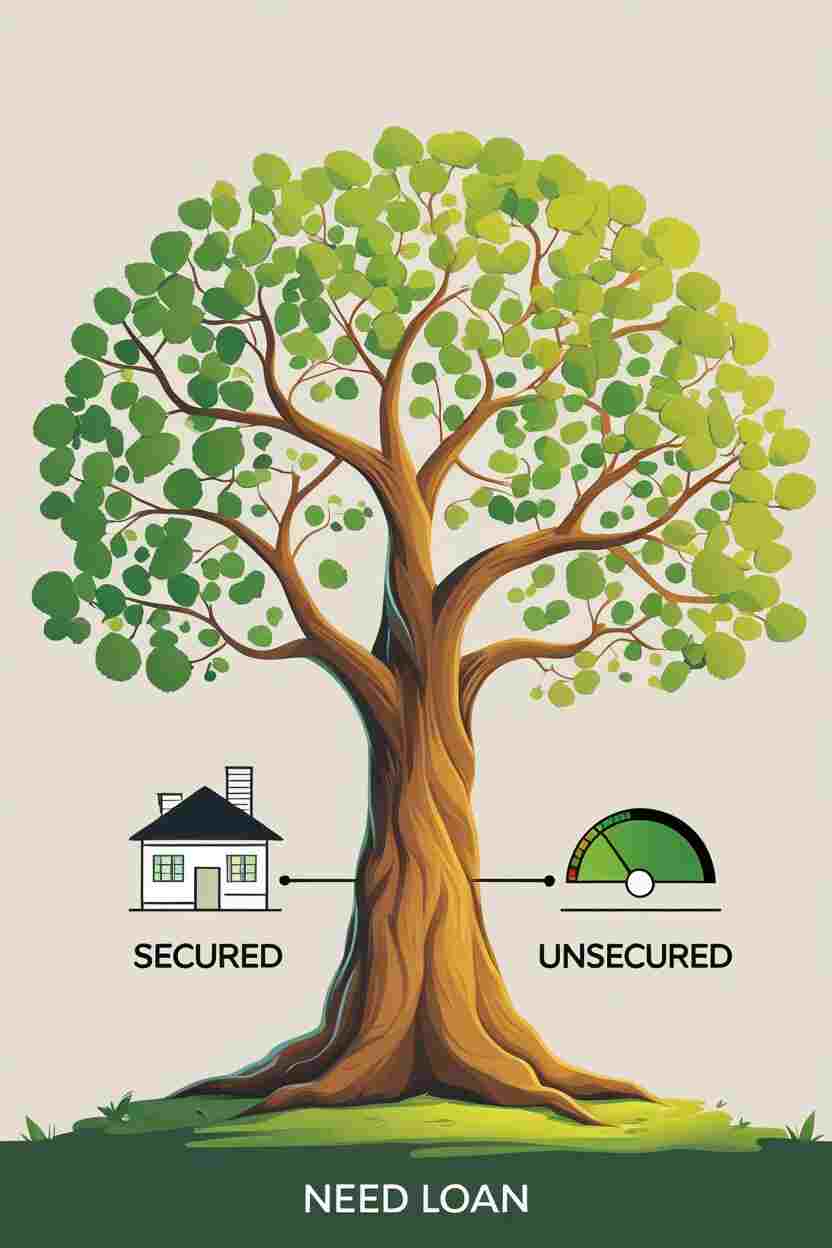
At the core of the secured vs unsecured personal loans difference lies collateral. You must pledge an asset as collateral for secured personal loans, such as your money, property, or vehicle. Lenders gain confidence from this arrangement, which opens up benefits for borrowers.
The upside? reduced interest rates and more lenient acceptance, even in cases when your credit isn’t flawless. Because it allows for higher quantities and longer terms, it’s perfect for people who have assets. This collateral serves as a bridge to monies that might otherwise be unattainable in the context of secured vs. unsecured personal loans.
The drawback is obvious, though: If you don’t pay back, your asset can be in jeopardy, which is a terrible situation to avoid.
Also Read: Personal Loan Terms Explained for Beginners in India
Section 2: Understanding Unsecured Personal Loans: The Liberating No-Asset Approach
Unsecured personal loans flip the secured vs unsecured personal loans difference by skipping collateral entirely. No promises are required; approval is based on your credit history, steady income, and general financial well-being.
This offers freeing speed: Online applications are processed swiftly, and funding is frequently granted in a matter of days. It provides the flexibility to borrow for anticipated or unexpected costs, making it ideal for renters or people without significant assets. When comparing secured and unsecured personal loans, unsecured loans are superior due to their ease of use and low danger of property damage. The compromise? Stricter credit checks and higher lending rates can feel constrictive.
Section 3: The 7 Key Elements in Secured vs Unsecured Personal Loans Difference
Let’s break down the secured vs unsecured personal loans difference with 7 essential contrasts to guide your decision.
- Interest Rates: Affordable Empowerment vs. Premium Pricing: Because they pose less risk to lenders, secured loans usually have lower interest rates, which will ultimately save you money. Insecure? The no-collateral risk is reflected in higher costs, which add up to a startling increase.
- Collateral Needs: Backed Security vs. Pure Freedom: The primary distinction between secured and unsecured personal loans is that the former require assets to establish confidence, while the latter completely frees you based only on assurances.
- Approval Process: Lenient Access vs. Strict Scrutiny: Secured options provide more opportunities, particularly when collateral makes up for credit declines. Strong profiles can benefit from Unsecured’s demand for excellence, but there are other obstacles.
- Borrowing Limits: Expansive Options vs. Modest Caps: Unlock larger amounts using secured—excellent for important demands. In terms of the secured vs. unsecured personal loan distinction, unsecured keeps it contained and is appropriate for smaller, urgent borrows.
- Repayment Flexibility: Extended Ease vs. Quicker Payoff: While unsecured promotes shorter durations, hastening debt relief, secured permits longer terms to alleviate monthly burdens.
- Risk Exposure: Asset Peril vs. Credit Hits: Devastating for the secured: By default, forfeit committed items. Is being insecure a bad thing? Score damage and collections, but no actual losses.
- Overall Costs and Fees: Hidden Savings vs. Extra Charges: According to Forbes Advisor overviews, unsecured adds origination hits whereas secured may incur valuation expenses but saves money over time.
Also Read: Hidden Charges in Personal Loans You Must Avoid
Section 4: Pros and Cons: Balancing the Positives and Negatives
Secured Pros in the Secured vs Unsecured Personal Loans Difference:
- Encouraging reduced rates significantly reduces costs.
- More borrowers are drawn to the table when approvals are made easier.
- Big dreams are positively fuelled by larger, more flexible sums.
Secured Cons:
- There is a startling possibility of asset forfeiture.
- Urgent needs are delayed by slower processing.
Unsecured Pros:
- Freeing no-collateral speed pleasures.
- Enhances credit through prudent management.
- Easy for lifestyles devoid of assets.
Unsecured Cons:
- Budgets are adversely affected by higher rates.
- Many people are excluded by tough eligibility.
Section 5: Choosing Wisely: Scenarios That Highlight the Secured vs Unsecured Personal Loans Difference
In the secured vs unsecured personal loans difference, If you have assets and want to save money, choose secured. For example, you can use home equity for repairs, where lower rates enable long-term gains.
For urgent, low-risk requirements with good credit, like combining cards in an emergency, go for unsecured—its freedom is unrestricted.
Think about your tolerance, urgency, and credit: Credit stars flourish unsecured, while asset owners prosper secured.
Also Read: Secured vs. unsecured personal loans: Which is right for you?
Conclusion
Navigating the secured vs unsecured personal loans difference equips you for borrowing victory, blending empowerment with caution. For those who are ready, Secured offers affordable security; for those who are qualified, Secured offers quick release. To achieve long-term financial happiness, focus on the good, avoid the bad, and stay true to your objectives. This knowledge is your superpower in 2025; use it wisely and thrive!
FAQs
Q1: What is the primary secured vs unsecured personal loans difference?
Collateral: Secured loans have lower rates and need collateral, such as a car, whereas unsecured loans use credit alone and no commitments to be approved, which results in higher fees and quicker access.
Q2: What is the difference in interest rates between secured and unsecured personal loans?
Compared to unsecured, which has risk-based premiums, secured insurance usually has lower rates because the lender is protected by collateral, making repayments more manageable.
Q3: Is it simpler to get approved for secured or unsecured?
Because assets balance out shortcomings, secured loans are frequently simpler, especially for those with mediocre credit. In contrast, unsecured personal loans require high credit scores and proof of income.
Q4: Which dangers are more notable when comparing secured and unsecured personal loans?
While unsecured avoids that, they still face credit harm, lawsuits, and collections without any actual stakes. Secured is at danger of asset loss upon default, which is a significant drawback.
Q5: When is it better to choose unsecured over secured?
In situations where flexibility outweighs the higher costs of secured vs. unsecured personal loans, choose unsecured if you lack assets or require haste with good credit.
Disclaimer
This is not professional, legal, or financial advice; it is merely informational. Loan possibilities differ depending on personal variables, location, and lender. Before choosing, seek advice from professionals. independently confirm the most recent information. Liability for actions based on this article is not assumed.