
WhatsApp scams in India are rising fast. Learn 9 dangerous messages you should never reply to, real-life examples, and how to stay protected. WhatsApp scams in India, WhatsApp fraud messages, WhatsApp phishing scam, WhatsApp scam alert India, online fraud India WhatsApp, WhatsApp security tips.
Introduction
Trust in WhatsApp runs deep across India, where people lean on it every day – not just to talk with friends but also to run businesses and manage money matters. Scammers spot opportunities right there, slipping into that confidence like shadows at dusk. These days their tricks rarely come through clumsy emails or sketchy web pages. They slide into view through messages so ordinary they feel routine – pressing enough to spark quick reactions. One mistaken response, a tap too fast, an innocent-looking file opened – each could unravel savings, steal identities, leave accounts gutted.
Money moves fast now – through phones, apps, instant transfers. Scams slip in when things seem normal. A fake call feels like help. A request looks like a usual step. Trust opens the door without alarms. By the time doubt appears, the cash is gone. These tricks work because nothing seems off. The danger hides in plain sight, moving quiet, acting ordinary. This article explains the most dangerous WhatsApp scams in India in deep detail, along with real-life examples, psychological triggers, and exact steps you must follow to stay protected.
Why WhatsApp Is a Hotspot for Scams
Messages pop up fast on WhatsApp, so people react without thinking. Because chats show up like texts, folks treat them as legit by default. Scams slip through since real friends use the app every day. Fake notes look trustworthy when masked behind a contact name. Speed fools judgment – users click before doubting. No warnings block shady links, just smooth delivery. Familiar digits make lies seem harmless at first glance. Trust moves quicker than caution here. Inbox clutter doesn’t hide fraud – it hides in plain sight.
Sharing money-related info through chat apps has become common lately. Because folks swap payment proofs, account numbers, or receipt images on WhatsApp, talking about cash feels ordinary there. Crooks notice this shift – so they copy how banks message people. Fake alerts pop up looking just like the real thing, complete with correct fonts and brand colors. Logos appear exactly where you’d expect them. Even small wording choices match what legit companies send.
A single tap now opens doors wider for those looking to exploit trust. Because so many depend on fast transfers, fraudsters find it easier to push people into hasty moves. These moments – split-second choices – often empty wallets before warnings arrive. Digital convenience grows, yet shadows stretch longer behind each transaction. Many of these patterns are closely aligned with Digital Payment Frauds in India , where urgency and confusion are used to manipulate decisions.
Links, files, or entire apps move fast through WhatsApp, turning casual chats into gateways for scams. Because clicking a message skips sign-ins and pop-ups, tricksters find it easier to pull off their schemes here than on web pages. People open messages quickly, often without thinking – this habit, paired with how simple payments have become, gives hackers fertile ground across India.
9 WhatsApp Messages You Should NEVER Reply To
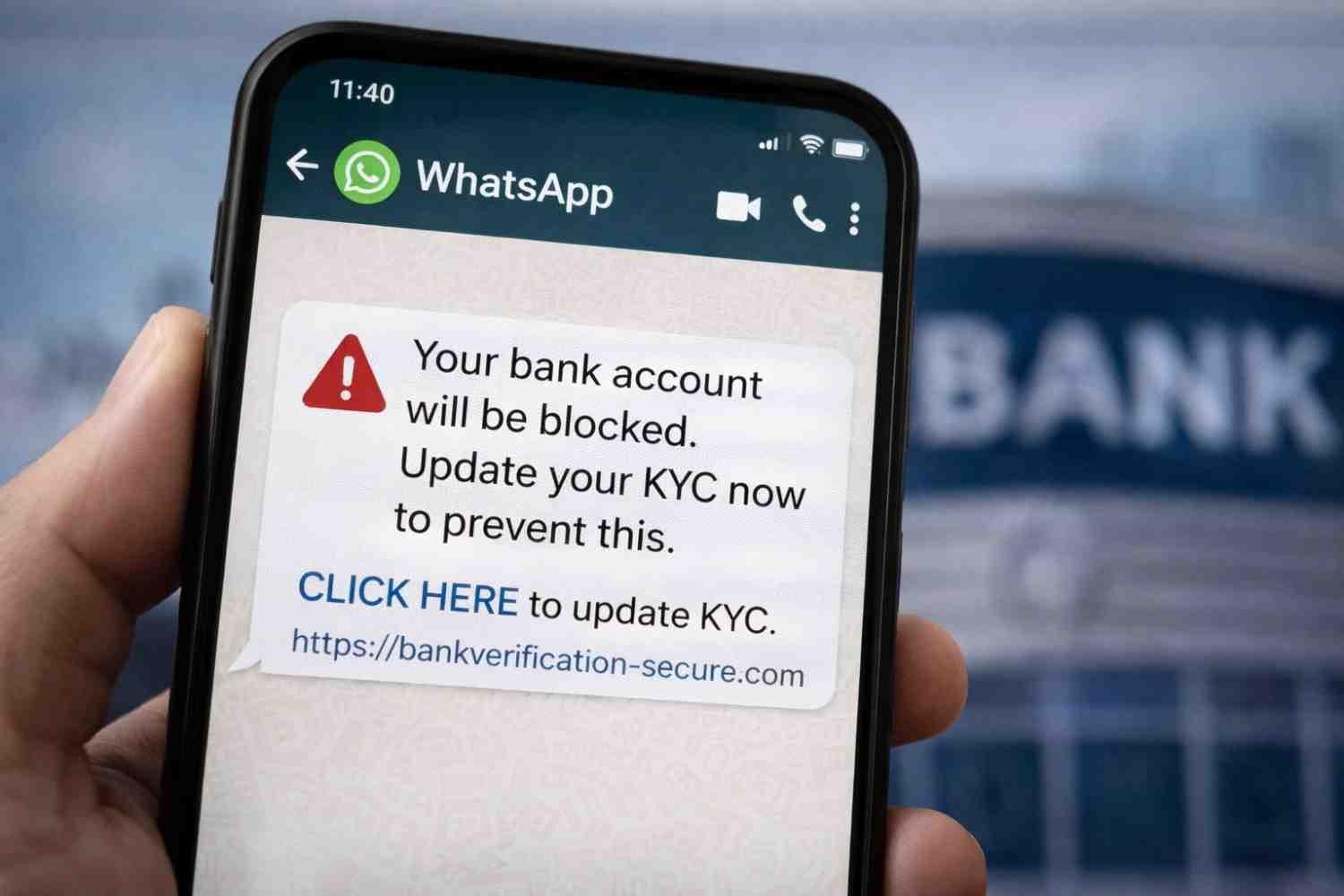
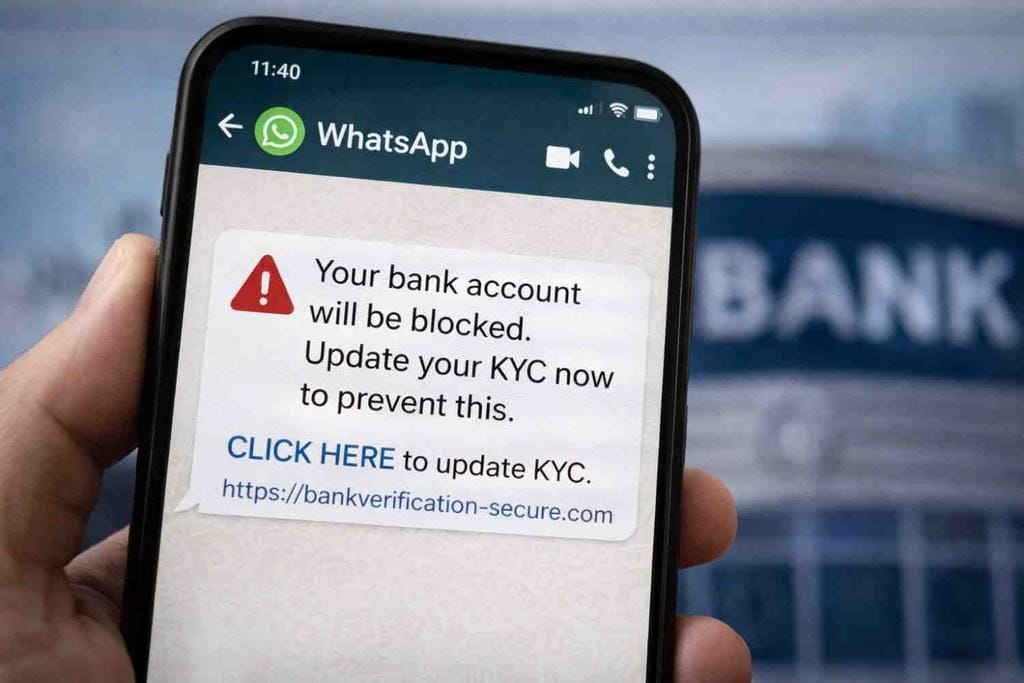
1. Your Bank Account Will Be Blocked – Update KYC Now
Fear takes hold fast when these texts show up out of nowhere. Hours left before access vanishes – so it says. Updating personal records feels urgent thanks to tight deadlines pushed by the warning. A web address sits inside, looking legit at first glance. That domain might even carry part of the real bank’s title along for credibility. Clicking opens a doorway to something false but familiar. Pages mimic every detail of the true banking site without missing a beat. A fake screen looks just like the real one, so spotting the trick feels nearly impossible. What happens next? People type in private things – bank numbers, card data, codes sent by banks. After that info gets entered, criminals can log in right away. Often, money moves out fast, sometimes several times before anyone notices. Because the alert seems urgent, most do not stop to check if it is legit. Some people figure out too late their bank would never message them on WhatsApp like that. What makes this trick risky is how it uses panic, belief in authority, and urgency – all at once.
2. You Have Won a Prize / Lottery
Curiosity gets sparked when someone thinks they’ve won something big. A message shows up saying there’s cash back, a prize, or maybe even a jackpot. Flashy offers pop out – phones, gift cards, money – dangled like shiny bait. Words sound cheerful, almost like a real celebration is happening. Clicking a link becomes the next step, pushed gently through friendly wording. Giving away private info feels normal once the hook sets in. Sometimes a tiny charge shows up before getting the so-called prize. After someone responds, fraudsters grab private details or demand more money using new made-up reasons. What pulls people in is the worry about losing something they think they’ve earned. It slips their mind that they never entered anything at all. Fake quotes from happy winners or altered images make the trick feel real. Little by little, wallets empty and personal information leaks without pause.
3. Urgent Help Needed – I’m in Trouble
A fake crisis story shows up in your inbox. It looks like it’s from someone you know well – maybe a cousin, friend, or coworker. Suddenly, there’s talk of an injury, being stuck overseas, or needing money fast. Since the name feels familiar, replies happen before questions do. Behind the scenes, that person’s messaging app was taken over by someone else entirely. Same note gets sent out again and again – to siblings, neighbours, even old classmates. Caught off guard, people feel pushed to respond fast, sending cash before checking if it’s real. Only later do they see what really happened – by then, every dollar is gone. What makes this trick work so well lies in how it uses kindness against them. Spreading from one person to several at once keeps it moving rapidly. Similar patterns of misuse of trust can also be seen in Money Mule Accounts in India.
4. Click This Link to Track Your Package
Out of nowhere, fake alerts pop up about missed deliveries. A note shows saying the shipment needs attention – maybe it stalled or waits approval. Clicking takes you to a site meant to mimic real tracking pages. Because folks are always waiting on orders, they tend to trust these notes without pause. Still, clicking the link might load harmful software or send you to a fake site stealing your details. When that software runs, it grabs texts, financial app info, and private files sitting on your phone. This trick works so well since people act this way every day without thinking. Getting alerts about deliveries feels normal, more so if a package is due soon. This makes it one of the most successful WhatsApp scams in India.
5. Job Offer – Earn ₹50,000 from Home
People seeking extra money get caught in this trick. Promises of quick pay for little work show up alongside fake success stories or edited images meant to look real. Signing up seems harmless – either a tiny payment or basic steps required. At first, some cash comes through, just enough to feel safe. Then, after putting in more funds, everything goes silent. Gone are the contacts, gone is the support, gone too is any hope of seeing that money again. Starting slow, the trick grows confidence bit by bit until the last move hits. Young people hunting for work or chances online often fall into it without seeing. The structure of this scam closely resembles patterns seen in How to Spot Personal Loan Scams Online, where credibility is built before exploitation.
6. Download This App for Verification
One trick scammers use is getting people to install remote access tools by pretending it’s for account checks or help. Installed, those apps hand full power over the phone straight to the fraudster. With that access, they peek at texts, grab one-time passwords, even handle financial apps while the owner stays unaware. Usually, the request arrives looking like it’s from a trusted company or bank. Legitimacy? Faked well enough to fool many. Step by step, someone walks users through installing and turning on the app. Right after getting in, the attacker moves money without delay. What makes this trick so risky is how it jumps past every safety measure. Instead of grabbing information, it takes hold of the phone directly.
7. Your SIM Will Be Deactivated
A sudden alert says your SIM needs checking or it will stop working. Instead of acting fast, some pause when told to send an OTP or follow a web address. When the code goes out, criminals move quickly – switching the phone number to another device they hold. From there, doors open: money apps unlock, login keys change, fresh codes arrive on the thief’s screen. Often, service drops without warning, hiding what just happened until much later. Few realize the loss until numbers are crunched – wallets already drained. What makes this trap so sharp isn’t just deception – it hijacks the very line meant to protect you.
8. Fake Investment Opportunities
This scheme dangles big profits from crypto, stocks, or similar bets. Folks get pulled into circles where pretend wins and doctored earnings images float around. Tiny payoffs might show up at first – just enough to feel safe. When that sense of security takes hold, bigger deposits start getting pushed. One day, users can no longer log in – funds vanish without warning. Built to look real, these fake sites copy true investing services down to small details. They often use professional language and visuals to appear credible. Similar tactics can be observed in demat account fraud in India, where fake platforms attract investors with unrealistic promises.
9. Forward This Message or Your Account Will Be Blocked
Fear drives this trick more than money talks ever could. A warning pops up saying WhatsApp might shut down your account if you do nothing. Instead of asking for cash, it pushes you to send the note to ten others just to stay safe. Time runs short, the alert says, so think fast – which makes folks share before checking facts. Relatives get tagged next, then neighbors, then coworkers, each pass lighting another fuse. Hidden inside some versions? Links that look harmless but dig for passwords instead. Fast sharing makes fake messages seem true, so spotting tricks gets harder. Again and again seeing them dulls how people react to red flags. Scams grow stronger when alerts stop working. No cash vanishes at once, yet groundwork still forms for bigger lies later. Odd actions start feeling usual, trust builds without questions asked. Forwarded notes gain belief too easily, quietly shifting what feels safe.
Why People Fall for These Scams
Fear speeds up decisions when someone says your money is at risk. Messages pretending to be from family trigger instinct before reason has time to catch up. Scammers count on that split second when caution fades. A warning about locked accounts pushes people into acting too fast. Trust in familiar names makes space for lies to slip through. Urgency overrides pause buttons built into smart choices. Emotion takes control just long enough for mistakes to happen.
Most folks trust what looks familiar. Scam notes copy real letters – fonts, emblems, even how they sound on paper. Picture waiting for a package or good news at work – that moment helps fakes feel true. Some think sharp instincts keep them safe, yet that very belief opens doors. Confidence without care shifts the balance.
The Most Dangerous Trick (Few People Notice)
What makes WhatsApp scams so risky isn’t the tech – it’s how they twist emotions. A sudden alert mixed with a familiar name pushes people to react fast. Instead of pausing to check, the mind jumps straight to response mode. That split-second instinct overrides caution, no matter how careful someone usually is.
Most people miss how quiet the trick works. It slips in without alarms, since the words feel familiar, tied to what someone already knows. A single move forward – like opening a web address or giving a detail – unlocks everything fast. By shaping choices instead of breaking systems, it wins where logic fails.
What to Do If You Receive a Suspicious Message
What makes WhatsApp scams so risky isn’t the tech – it’s how they twist emotions. A sudden alert mixed with a familiar name pushes people to react fast. Instead of pausing to check, the mind jumps straight to response mode. That split-second instinct overrides caution, no matter how careful someone usually is.
Most people miss how quiet the trick works. It slips in without alarms, since the words feel familiar, tied to what someone already knows. A single move forward – like opening a web address or giving a detail – unlocks everything fast. By shaping choices instead of breaking systems, it wins where logic fails. You should also follow steps to recover money after UPI fraud to minimize damage. Quick action can significantly improve the chances of recovery.
How to Stay Safe from WhatsApp Scams
Safety begins when attention never fades. Unexpected messages deserve doubt – particularly if cash or private data is involved. Two-step checks add strength to WhatsApp, just like fresh app versions do. Sharing codes meant only for you? Never happens. Details about bank access stay locked away, always.
Watch out when grabbing apps or tapping links – looks can be misleading. Official sites are better for checking facts, especially when something feels rushed. Jumping on alerts too fast might backfire unless you double-check first. Many advanced frauds, including card cloning and credit card fraud, often begin with small mistakes that could have been avoided.
Real Impact of WhatsApp Scams in India
A single message can start a chain that empties bank accounts overnight. Not just rupees vanish – confidence does too. One moment someone feels safe clicking a link, next they’re left staring at numbers on a screen. Behind each fraud sits hours of panic, sleepless nights, confusion spreading like smoke. Numbers grow daily yet few speak up about what it truly costs. What looks harmless turns heavy fast.
Instant digital payments help scammers finish deals fast, so victims rarely get money back. Few people report these incidents, which lets criminal groups work without interference. Scams grow smarter over time because the pattern keeps repeating itself. Not knowing enough about the risks is still a major barrier to stopping such fraud.
Report Scams Immediately
Right away matters when flagging a WhatsApp scam – slows down money loss, boosts recovery odds. Spot something off? Get in touch with your bank’s support team without delay, ask them to halt or lock your account activity. Every minute counts since shady transfers often go through fast. You should then file a complaint on the Cyber Crime Portal with complete details of the incident, including screenshots, transaction IDs, and phone numbers involved. It is also advisable to call the national cybercrime helpline 1930 for urgent cases. In addition, you can refer to RBI fraud awareness guidelines to understand your rights and the steps banks are required to follow. Right away, speaking up can mean getting things back – it gives officials a shot at chasing down scam patterns too. When people wait, though, options shrink fast, leaving little room to fix what went wrong.
Real-Life Examples
Example 1: A WhatsApp message stating that his bank’s KYC had expired was sent to a salaried employee. There was a link in the message that looked exactly like the website of his bank. He typed his information and OTP without checking. ₹2 lakh was taken out of his account in a matter of minutes. The purchases had already been executed when he discovered later that the website was fraudulent. Financial strain resulted from the occurrence, which necessitated numerous complaints to the bank and authorities.
Example 2: A friend sent a message to a student requesting immediate financial assistance. He immediately transferred ₹15,000 after believing the message. He then discovered that the friend’s account had been compromised. Several contacts had received the identical message. The student discovered the value of verification after failing to get the money back.
Conclusion
WhatsApp scams in India are becoming increasingly sophisticated, making them difficult to identify. What seems ordinary might hide danger. Because of this, paying attention matters more than people think. A short pause to check details stops big money problems later. How these tricks play on emotions becomes clear once you see the pattern. Alertness fits into daily life like a quiet habit that protects without shouting.
FAQs
Q1: How can I spot a scam message on WhatsApp?
Got a weird message on WhatsApp? It might pressure you to reply fast, demand personal details, or drop a sketchy link meant to rush your decision. Think twice before answering – check who really sent it, especially if something feels off about the timing or tone.
Q2: If I click on a fraudulent link, what should I do?
Disconnect your internet right away and refrain from inputting any personal information if you click on a dubious site. To stop illegal transactions, you should then verify your bank accounts, update your passwords, and notify your bank.
Q3: Can I get my money back if I fell victim to a WhatsApp scam?
Faster moves mean better odds of stopping the transfer – tell your bank right away along with local cybercrime units. Hesitation cuts the chance; quick steps might freeze the money before it vanishes into hidden paths.
Q4: Is sharing an OTP on WhatsApp safe?
Beware – your one-time password stays private. Even when messages look legit, treat them with suspicion. This code protects your money matters. A single leak might open doors to strangers. Guard it like keys to a vault.
Q5: Why are WhatsApp scams increasing in India?
Due to the growing number of users on the platform and the increase in digital payments, WhatsApp scams are on the rise. Scammers target large numbers of people by taking advantage of trust and ignorance.
Q6: Can con artists remotely access my phone?
Indeed, scammers can take over your device if you install remote access programs or unintentionally share permissions. This enables them to carry out transactions and keep an eye on your activities without your knowledge.
Disclaimer
This piece shares facts. Always check what you hear through trusted channels before doing anything. Stories here come from typical fraud cases seen often. If money gets lost by using these notes wrong, that outcome does not fall on the writer.