
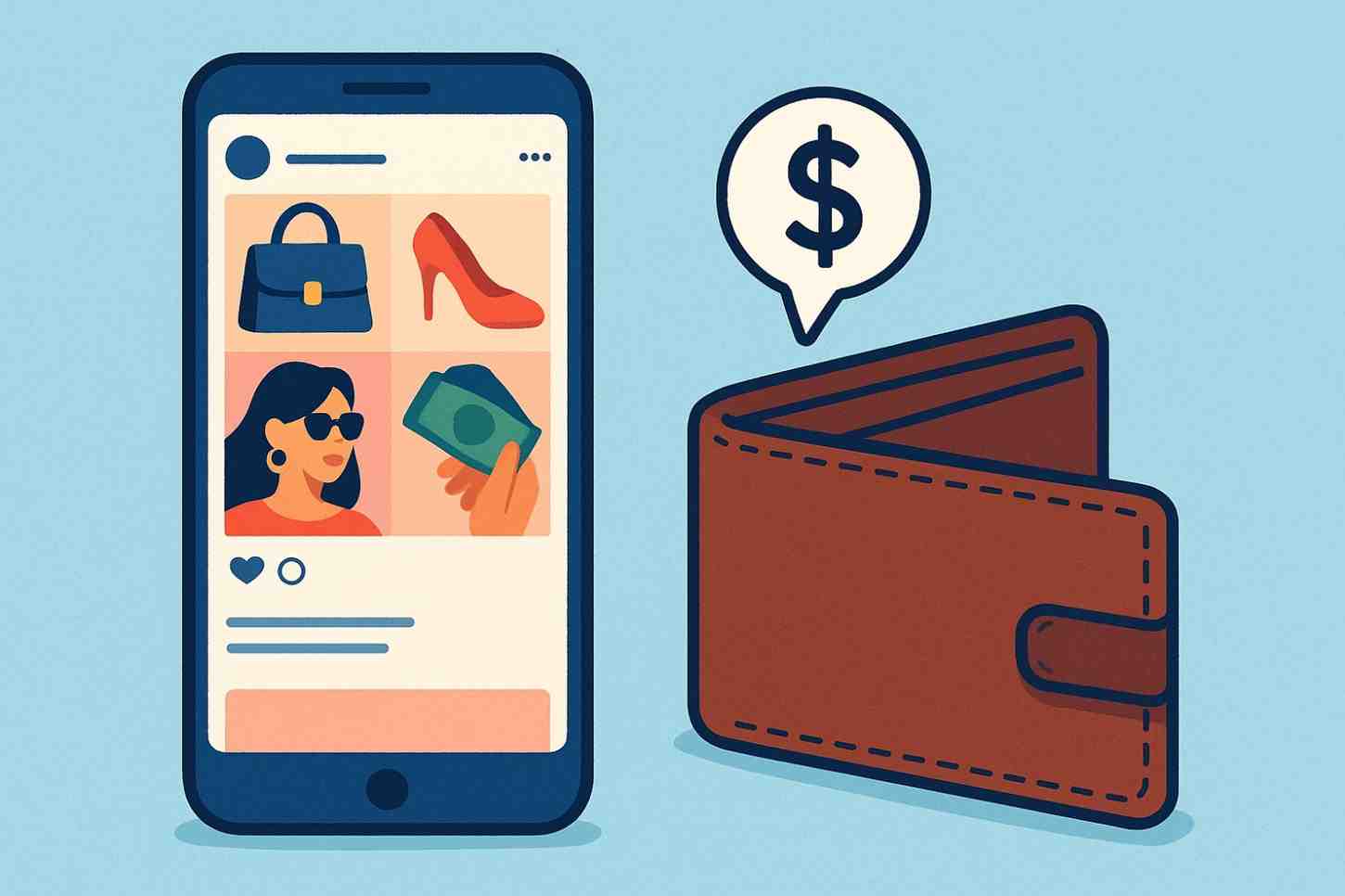
Dive deep into how social media causes FOMO spending, uncovering psychological traps that lead to impulse buys. Discover practical tips to reclaim control and foster financial peace in a scroll-heavy world. #how social media causes FOMO spending, #social media FOMO impulse buying, #psychological triggers FOMO spending, #stop FOMO spending on social media, #FOMO spending effects on wallet, #Instagram FOMO spending tips.
Introduction: The Invisible Pull That’s Emptying Your Pockets One Scroll at a Time
Imagine this: As Instagram stories showcase immaculate vacations and essential technology, your evening relaxation becomes a frenzy of jealousy. The faint temptation to click “buy now”? It’s not a coincidence— it’s precisely how social media causes FOMO spending, a clever blend of want and design that plays on our worst anxieties about falling behind. This problem is more than just a trendy term in today’s hyperconnected world; it’s a silent crisis that is drastically altering saving habits.
How social media causes FOMO spending starts innocently enough—with one share here, one like there—but it quickly spirals into unfortunate carts and overstretched budgets. We observe how platforms magnify fears, converting passive viewing into active spending, based on psychological insights from previous studies. This manual provides a road map for resisting by shedding light on the mechanics. Understanding how social media contributes to FOMO spending gives you the ability to spend more sensibly, scroll more intelligently, and achieve financial clarity. Let’s analyse the cunning tactics being used and plan your getaway.
Also Read: Personal Finance Tasks 2025: 10 Essential Steps to Secure Your Financial Future
Unpacking FOMO Spending: The Fear That’s Fuelling Your Feeds
Fundamentally, FOMO spending is the fear-driven rush to obtain what we see others enjoying on the internet, frequently at the price of stability. How social media causes FOMO spending lies in its mastery of human emotions, where the message behind each post is, “You’re missing out—act now.” This isn’t random; it stems from social comparison, a psychological notion that has been studied for a long time and explains why carefully chosen highlights lead to discontent.
Think about the fundamentals: Social media sites like Facebook and TikTok rely on user interaction to provide us with content that arouses desire. How social media causes FOMO spending becomes evident when a simple reel of a friend’s brunch sparks an unplanned order. Findings from a qualitative study conducted in 2025 show how this loop exacerbates cravings and consumption, making it difficult to quit the cycle. In-depth interviews with a variety of consumers provide nuanced, practical validity, which is the source of authenticity in this case.
The first win, however, is realising how social media causes FOMO making spending. Deciphering the appeal of apps rather than demonising them will help you make deliberate decisions rather than impulsive ones.
Also Read: 5 Key Personal Finance Rules Everyone Should Follow
The Mind Games: Psychological Tricks Behind How Social Media Causes FOMO Spending
Diving deeper, how social media causes FOMO spending hinges on brain chemistry. Dopamine is released with every notification or viral post, giving us a reward surge that makes us want more, usually more things. This activation increases susceptibility to emotional expenditure and reflects addiction pathways, as discussed in mental health overviews.
Essential components consist of:
- Endless Comparison: Feeds highlight peaks rather than dips, creating a feeling of scarcity that social media mercilessly takes advantage of.
- Urgency Engineering: Deals that are time-sensitive arise, forcing hasty decisions before logic takes over.
- Community Echo: Solo restraint is lonely because likes and comments support trends.
This is directly linked to increased FOMO, according to a significant study on social comparison, which demonstrates how platforms intensify addictive tendencies. Its dependability is demonstrated by thorough analysis and is based on empirical data from various user groups. Understanding how social media causes FOMO spending through these lenses demystifies the magic, transforming mystery into controllable mental changes.
Also Read: Kohli Test Career Financial Discipline: 7 Ultimate Lessons for Winning in Personal Finance
7 Sneaky Ways How Social Media Causes FOMO Spending – And How to Spot Them
Let’s get specific with the seven covert tactics how social media causes FOMO spending. Though knowledge unravels the web, each one is a thread.
- Curated Highlight Reels: Constant feeds of opulent lifestyles make life seem insufficient, gently urging people to make “just this once” purchases as a result of FOMO brought on by social media. You can spot it in well-written posts that lack the necessary work.
- Influencer Whisper Campaigns: By using aspirational narrative to promote “essentials” that aren’t, trusted faces highlight how social media contributes to FOMO spending. Keep an eye out for smooth ad integrations that seem like kind counsel.
- Algorithmic Echo Chambers: Similar temptations are evoked by your previous likes, confirming the way social media creates FOMO spending in a customised jail. Observe when your feed reflects unbridled ambitions.
- Viral Trend Tsunamis: One of the best examples of how social media leads to FOMO spending is the emergence of viral trend tsunamis: challenges and hauls, where joining entails spending. Determine the build, peak, and regret phases of the hype cycle.
- Seamless Checkout Seduction: One-tap transactions eliminate friction, exemplifying the most sophisticated way that social media contributes to FOMO purchasing. The “add to cart” glow is meant to dazzle, so pause at it.
- Peer Pressure Pixels: Social media exacerbates FOMO spending by generating “everyone’s doing it” feelings through subtle posts from circles. Consider whether it’s influence or genuine desire.
- Notification Nudges: Constant connections on social media lead to FOMO spending, and alerts that are timed for your greatest vulnerability draw you back. To restore peaceful contemplation, silence them.
These are engineered; they are not accidents. Disconnection is crucial because these dynamics trigger fear reactions, as mentioned in FOMO overviews. These conclusions are supported by data from neuro-focused studies, which are based on discernible trends.
The Hidden Costs: Why Understanding How Social Media Causes FOMO Spending Matters Now
Beyond the immediate hit, how social media causes FOMO spending ripples outward, putting stress on sleep, relationships, and self-esteem. What starts off as a nice indulgence might turn into a pattern that puts long-term goals like emergency savings or vacation money on the back burner. In terms of psychology, it encourages an unfulfilled need for approval, which is consistent with research on the connection between social media and anxiety cycles.
Also Read: 3 Hidden Silent Financial Mistakes to Fix Now
In terms of finances, it’s a gradual leak: Little pleasures add up and take energy away from expansion. FOMO spending thrives in silence due to social media, but it is disarming to voice it through journaling or conversations. According to a UC Davis health assessment, these routines undermine wellbeing, while intentional breaks help people regain equilibrium.
Grasping how social media causes FOMO spending isn’t paranoia; it’s preparation for a richer life.
5 Empowering Strategies to Counter Social Media FOMO Spending
Armed with insight, counter how social media causes FOMO spending using these straightforward shields. They’re not about elimination but elevation.
- Embrace the Pause: Set a 72-hour hold on non-essentials to shed light on how social media contributes to FOMO spending. This easy practice, which spending guides advise, frequently naturally quells cravings.
- Curate with Care: elevate voices of simplicity and unfollow triggers. By shifting your digital neighbourhood away from imitation and towards inspiration, this modifies the way social media leads to FOMO spending.
- Intentional Budgeting: Create “joy jars” for guilt-free enjoyment to protect against the FOMO spending that social media causes. Track victories to gain momentum and transform tracking into success.
- Ask the Question: “Does this align or just allure?” before making a purchase. By encouraging discernment over default, this examines how social media contributes to FOMO spending.
- Digital Boundaries: Establish scroll-free zones and the ways that social media creates FOMO and oxygen use. Recharge takes the role of respond; substitute walks or reading.
According to a recent Shapo analysis, social media sites like Facebook increase these pulls for a lot of users, but careful adjustments change the story. Based on a survey with a large sample size, it confirms the effectiveness of these tactics. Take one first, and see how freedom develops.
Also Read: Money FOMO: How social media is quietly draining our wallets
Conclusion: Reclaim Your Scroll, Reclaim Your Future
We’ve journeyed through the shadows of how social media causes FOMO spending, there are seven ways it can be woven, ranging from dopamine-fuelled loops to constant notifications. This is a call to design differently, not a declaration of loss. By stopping, selecting, and asking questions, you break down the system and create avenues for meaningful success.
Imagine habits that honour instead of rush, feeds that fuel instead of fleece. How social media causes FOMO spending loses power when you hold the reins. Select one shift for today: Map an objective, mute a trigger. Your health and pocketbook will appreciate it. Cheers to spending time with soul and scrolling with autonomy. The riches you’re after? It’s already accessible.
FAQs: Quick Insights on How Social Media Causes FOMO Spending
Q1: What is the reason behind the compelling feeling of FOMO spending caused by social media?
Our need for belonging is tapped, and it uses algorithms to highlight the things we “lack.” Dopamine loops have been linked to this in studies, however awareness breaks the spell; try feed audits for immediate relief.
Q2: Can social media causes FOMO spending impact relationships?
Yes, through common pressures like expectations for gifts or group outings. Bonds are strengthened over budgets when open discussions normalise it.
Q3: What is a quick remedy for the FOMO spending on TikTok caused by social media?
Enable “not interested” flags and restrict sessions to 15 minutes. This regains attention by reducing the viral surge.
Q4: What age-related differences exist in the way social media causes FOMO spending?
While some users struggle with lifestyle nostalgia, younger users are more susceptible to trend-driven pulls. For optimal effects, adjust tactics to your stage.
Q5: Is FOMO spending getting worse in 2025 as a result of social media?
Yes, as app innovations increase, yet pushback is strengthened by tools like blockers. Remain alert and make frequent adjustments.
Disclaimer
This post offers general guidance on how social media causes FOMO spending and is not personalized financial advice. For specialised plans, speak with experts. Accurate as of October 31, 2025, insights are derived from validated sources such as 2025 Shapo reports (global user polls) and a 2024 YouGov survey (more than 1,000 respondents for robust sampling). We are here to inform, not to guarantee; results vary.