
Confused between gold and real estate? Discover the best investment in uncertain times with powerful insights, risks, and smart strategies to protect and grow your money. Best Investment in Uncertain Times, gold vs real estate India, is gold a safe investment, real estate investment risks India, gold vs property returns, safe investment options India, where to invest during uncertainty, investment strategy India.
Update Note (May 2026): This article has been updated to reflect the latest financial trends and investment realities. It now includes practical insights, real-life scenarios, and a balanced strategy for 2026 conditions. The comparison between gold and real estate has been refined to help investors make smarter, risk-aware decisions.
Introduction: Best Investment in Uncertain Times
Out of nowhere, markets feel shaky these days. Folks keep looking for where to put money when things seem unsteady. With prices climbing fast, jobs feeling less secure, loan costs jumping around, and worldwide trends adding pressure, picking safe investments isn’t straightforward anymore. Gold has held value for ages. So has property. Both gained trust through rough patches over time. Yet treating either like a guaranteed fix, without checking how today’s economy works, might backfire. Instead of guessing, it makes sense to weigh what each option truly offers now – how hard it is to sell, how much risk shows up, whether growth builds slowly or stalls. Seeing those differences clearly changes choices.
What “Uncertain Times” Really Mean Today
One thing stands clear by 2026 – turmoil isn’t just about stocks tumbling or economies shrinking. Instead, money slowly buys less because rising prices eat away at what you save. When rates jump or drop, monthly payments on loans change too, shaking up how people view buying homes. Interest rate movements and inflation trends are closely monitored by the Reserve Bank of India, which directly influence borrowing costs and overall investment conditions. Real estate stops feeling like a sure bet under such swings. At the same time, work feels shakier; losing jobs more often makes it harder to count on future earnings. When things happen in one nation, they often shake up economies everywhere soon after. Because money values jump around while political conflicts simmer, guessing where finances will go feels harder today. Places people once trusted with their savings now carry hidden dangers that hardly mattered before then. Clever moves that bend instead of break tend to work better when old fixed plans keep falling short. Understanding how inflation erodes wealth becomes critical, especially when you examine real scenarios through Inflation Impact on 1 Crore, which highlights the silent damage inflation can cause over time.
Gold as an Investment: Safe or Overhyped?
When times get tough, gold often holds its worth. Because it stands strong even as money loses power, people turn to it. Markets may shake, yet this metal stays steady through the storm. Global gold demand trends and investment behaviour are tracked by the World Gold Council, which highlights how gold performs during economic uncertainty. These days, gold isn’t just one thing in finance. Though it may guard value when prices rise or markets wobble, results can differ sharply over brief periods. Many who buy it expect strong gains yet overlook downsides – like earning nothing while you wait. Some believe owning it removes all danger, but reality hits differently; shifts in world appetite, exchange rates, or decisions by money authorities can shake its worth fast. So even though it holds meaning now, fitting it within diverse holdings makes more sense than banking entirely on shiny metal alone.
Why Gold Works in Uncertain Times
When prices climb, money buys less – yet gold often grows more valuable at those times. Currencies fade under inflation’s pressure, while gold holds on to what it’s worth. People turn to it when markets wobble and familiar options falter. Its staying power stands out most when confidence dips and usual assets stumble.
When times get tight, selling gold usually works fast. Real estate might sit unsold for ages while gold moves quick – either handed over in person or shifted online. Cash appears faster with gold than with most possessions. No waiting weeks just to access worth stored in metal. That speed matters when bills show up out of nowhere. Few things offer such ready exchange when life shifts suddenly.
Gold doesn’t vanish if a business collapses. Its worth isn’t tied to banks, governments, or firms. When markets tremble under debt or poor decisions, gold stands apart. Stocks may crumble overnight, yet gold keeps steady. Financial chaos shifts everything – except how people see gold.
Where Gold Falls Short
Gold might seem strong, yet it comes with hidden flaws many miss. Not earning extra value sits at the core of its weakness, different from property bringing steady rent. Growth only happens if market rates climb, leaving funds idle otherwise. Prices sometimes stay unchanged for years, causing lost chances elsewhere. Buying on impulse – during holidays or spikes – tends to lock in bad timing, weakening future gains. Besides holding real gold comes worries about where to keep it and if it’s safe, whereas digital versions mean relying on banks or institutions. Too much focus on gold might slow down gains elsewhere, so mixing different assets matters.
Modern Forms of Gold (Important Shift)
Nowadays people who invest think differently about gold. Owning actual bars or coins isn’t the sole path anymore – newer ways work faster, fit tighter schedules. Instead of hauling metal around, exchange traded funds track value while skipping vaults or authenticity checks. Government-backed bonds add another layer: they grow when prices rise, yet pay steady returns too. Anyone can get into digital gold, even with just a little money to start. What once made physical gold tough now fades away – yet what people like about it stays put. Understanding these forms can help investors make smarter decisions, especially when exploring how gold fits into a diversified portfolio through What Is Gold ETF. This change illustrates how investment techniques are adjusting to the reality of contemporary finance.
Real Estate: Wealth Builder or Capital Trap?
Buildings and land often stand for lasting money strength, growing richer slowly. Owning them means holding something real, one that might rise in value while also paying cash via tenants. When things feel shaky though, putting money here gets trickier. Performance leans heavily on shifting markets, where a place sits, how economies move. Property price movements and housing finance trends are influenced by data from institutions like the National Housing Bank, which reflects real estate market health. Building lasting value takes time, yet big money up front plus a steady hand matter just as much. Gold shifts fast when cash is needed; property drags, stuck in slow motion when life turns sudden. Success here hinges on when you jump in, how clear your map is, back bones of solid finances holding it all together.
Why Real Estate Still Works
Buildings and land offer something you can touch, which makes some people feel safer about their money being tied up in them. Not like stocks or bonds – real estate sits on a street corner, holds tenants, grows businesses. It does work even when markets sit still. Space gets used, paid for, improved, while numbers stay fixed on paper.
Another way it works is by bringing in steady money from renters. That cash flow helps keep finances on solid ground, especially when costs go up. Since rent tends to climb slowly, owning property can help balance rising expenses.
Over time, property values tend to rise, particularly where cities are expanding. When picked wisely, spots on the map may build serious value across years, turning patience into steady growth. A well-placed buy here might just become tomorrow’s quiet advantage.
Real Estate Risks Most People Ignore
Most people cannot afford real estate right away because the starting cost is too steep. Getting into property sometimes forces buyers into debt that stretches their finances thin. Selling a home might drag on for ages – months, maybe longer – if the market slows down. Costs pile up beyond the price tag: upkeep, tax bills, and confusing paperwork never stop coming. Prices do not always go up; when there are more homes than buyers, value can freeze or drop. When units sit empty or tenants cause problems, money stops coming in. Tough moments test property investments because they’re harder to adjust quickly. Staying ahead means thinking through possible setbacks before they happen.
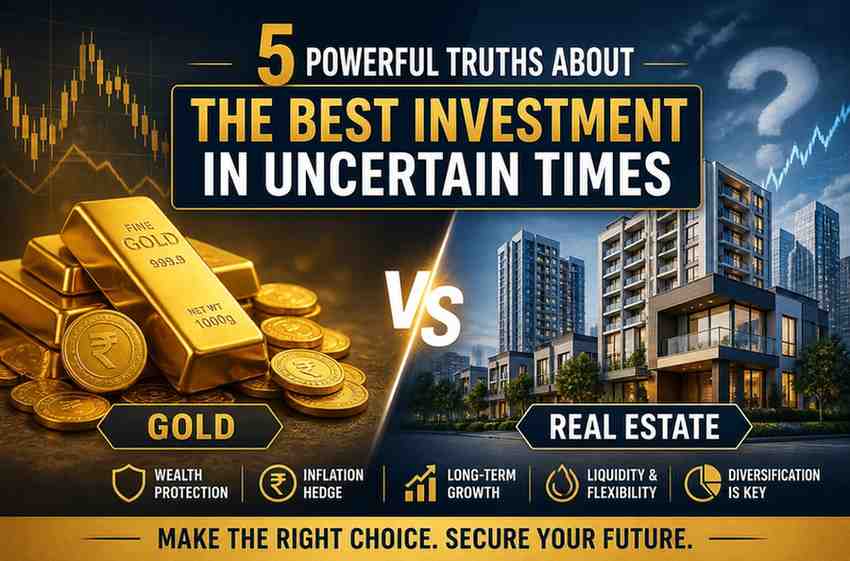
5 Powerful Truths About the Best Investment in Uncertain Times
Truth 1: Liquidity Matters More Than Returns
When things get shaky, having ready money matters more than anything else. High profits might sound good, but mean little if funds stay locked away. Suddenly needing cash? Gold turns into money fast, with small setbacks. On the flip side, property drags – selling takes time, effort, and patience. When urgency hits, waiting isn’t an option. When things happen without warning, having access to cash might make it easier to respond. Because some investors only watch their profits, they forget how hard it is to pull money out quickly – this sometimes causes pressure later. Mixing ready-to-use funds with long-term gains tends to work better over time. Being able to shift money around when markets change helps stay in control. Staying liquid isn’t just about safety – it shapes how well you adapt when outcomes are unclear.
Truth 2: Stability vs Growth Trade-Off
Stability often means giving up some growth when putting money to work. When markets shake, gold holds its ground – this calm appeals to those who dislike surprises. Yet gains from gold tend to crawl where real estate might sprint over time. Property can deliver bigger rewards down the road though sleepless nights sometimes come with that path. What fits one person may trouble another – it hinges on what each investor truly wants. When growth grabs all the attention, risk often sneaks in unnoticed. Stability puts a roof overhead but sometimes blocks the view ahead. Seeing how these two pull against each other makes space for choices that fit today’s demands and tomorrow’s plans just as well.
Truth 3: Entry Barrier Changes Everything
Starting small matters when putting money to work. Gold lets people begin without much cash, adding more over time. That opens doors for many who want to take part. Buying property usually means big payments right away, sometimes needing borrowed funds. Such heavy costs up front scare off some, tying others into years of debt. Risk climbs higher where large sums go early. Starting small? Gold could suit you better than property. People with deeper pockets might look at buildings instead. Knowing what it takes to start shapes smarter choices. Picking fits your wallet makes decisions clearer.
Truth 4: Emotional Decisions Destroy Returns
Feelings shape how people invest, sometimes pushing them toward choices that backfire. When prices climb fast, worry or noise in the markets pulls investors into buying gold at peak costs. Real estate moves often follow crowd energy or anxiety about being left behind – timing suffers as a result. Acting on impulse tends to shrink gains while opening doors to bigger losses. Sticking to clear methods, like dividing money across assets ahead of time, keeps those impulses in check. Learning disciplined investing methods like 3 Bucket Portfolio in India can improve decision-making and long-term outcomes.
Truth 5: There Is No Single “Best” Option
Most people think there’s one perfect way to invest. Truth is, what works when things feel shaky changes from person to person. Your earnings, dreams for money, comfort with risk, how long you’ll wait – these shape choices. One might hold gold while another buys property – each fills a separate role. Mixing them isn’t about replacing one with the other. Spreading across both opens doors wider than leaning hard on just one. One wrong move in a lone market can undo everything. See how every piece fits before building your financial base.
When Gold Becomes the Better Choice
When markets feel shaky, picking gold makes sense if keeping your money safe matters most. For those who might need quick access to funds, it offers flexibility instead of being tied up too long. Rising prices often chip away at value – gold can slow that loss. People starting out with smaller amounts find it useful because they can add over time without big upfront costs. For short or mid-length investing plans, gold works better because you can get into it quickly plus move out without trouble. Another thing – it helps spread risk when mixed with other assets. When markets wobble, some people feel calmer holding gold since they view it as steady. Still, using just this metal isn’t wise; fit it within a wider plan instead.
When Real Estate Makes More Sense
Most people overlook how time changes everything, yet real estate grows stronger with years of steady holding. Owning property suits those already earning enough to cover big expenses without stress. Instead of quick moves, patience rewards owners as values climb and rent adds up slowly. Cities that keep expanding lift nearby homes higher in price thanks to rising need. Without active effort, monthly payments from tenants bring reliable cash flow for careful planners. Most times, property just sits there – hard to turn into cash fast. Because of that, it does not fit well when you need money soon. Jumping in without a clear map can cost more than expected. Patience often matters more than speed here. Success usually comes from steady choices, not quick wins.
The Smart Strategy Most People Miss
Some people pick gold, others go for property – yet mixing them often works better. Stability meets potential when these two join forces. Cash moves fast with gold; buildings build value slow. Leaving one out might mean fewer chances to grow, more chance to stumble.
Balanced Strategy Example
Gold might take up a small slice – say, one fifth of your money – to help steady things when markets wobble. Half your stash could go toward property or similar plays aiming to grow slowly over years. The rest? Spread it around using tools like bond payouts or shared fund pools. Shifting like this keeps your mix flexible, ready to pivot without tipping over when surprises hit. Understanding allocation becomes easier when exploring insights like How Much Gold to Hold in Portfolio, which provides practical guidelines for investors.
Gold vs Real Estate (Quick Comparison)
| Factor | Gold | Real Estate |
|---|---|---|
| Liquidity | High | Low |
| Investment Size | Low | High |
| Returns | Moderate | High (Long-Term) |
| Risk Level | Low | Medium |
| Income Generation | No | Yes (Rent) |
| Flexibility | High | Low |
Final Verdict: What Is the Best Investment in Uncertain Times?
One size does not fit all when markets get shaky, since every holding plays its own role. Not just a shiny relic, gold acts as a shield – easy to sell, steady during price jumps. Property builds value slowly, brings rental earnings, yet needs time plus upfront funding. Mixing these two thoughtfully helps keep risk in check while staying open to change. Those spreading wisely across types tend to ride out storms without losing direction.
Real-Life Examples
Example 1: Out of caution, a worker who earned a steady paycheck put nearly all his saved money into a home, hoping its value would grow over time. Trouble started when an urgent health issue hit – turning calm plans upside down. Since homes cannot change hands overnight, getting fast cash became impossible. Instead, he borrowed from a bank under tough terms, paying much more back later. That moment revealed something quiet but sharp: tying up funds in bricks and mortar risks peace when life shakes suddenly.
Example 2: Holding most of her money in gold felt steady when markets wobbled. Even with full access to cash whenever needed, progress on building wealth crawled year after year. Over time it clicked – leaning entirely on metal meant leaving faster gains behind elsewhere. Other investments offered more motion, though she stayed put, watching quietly.
Example 3: One investor kept things steady by spreading money across gold, buildings, houses, also market assets. When trouble hit banks and markets, the metal gave quick cash even as bricks grew slowly. That mix held firm ground without sacrificing future value. Spreading risk like that beats putting everything into just one place.
Conclusion
When things feel shaky, knowing what matters – risk, access to money, personal targets – guides smarter choices. Safety wraps around gold like armour, offering ease when markets tremble. Property builds value slowly, pays over time, though it asks for upfront funds and waiting. Putting everything into one place invites trouble; spreading it out smooths the bumps ahead. Growth hides where balance stands. Starting with gold, then adding property over time helps shape a mix that handles shifts in the economy. Instead of following what’s hot, better results come from designing a strategy that holds up when things change.
FAQs
Q1: In uncertain times, is gold the best investment?
When prices rise fast, gold often holds its worth, making it a go-to during shaky times. Ready cash can come faster from gold than many expect, thanks to active markets. Still stuck only here? Growth might lag compared to broader choices. Spreading across assets usually balances risk better in the long run.
Q2: Is real estate dangerous in uncertain times?
Most times property does not sell fast because turning homes into cash takes effort. When the economy slows, values often stay flat or drop instead of rising. Yet even with those issues, holding real estate wisely tends to pay off slowly over years.
Q3: What is the appropriate amount of gold to include in my portfolio?
Some folks who know money say putting ten to twenty percent into gold makes sense. When things get shaky, that bit of shine can steady the ship. Too much gleam though, and gains might slow down later on.
Q4: Can I make real estate and gold investments at the same time?
Gold mixed with property often makes sense for savers. When cash moves fast, gold stands ready. Property builds value slow, yet pays over time. One guards wealth, the other grows it quietly. Risk spreads out when both work together. Stability rises without loud promises.
Q5: Which investment yields more returns, real estate or gold?
Most folks see bigger gains from property when they wait years, particularly if the area is expanding. When things get shaky, gold does not dazzle but holds its ground quietly. What works best ties back to what you want money-wise and how soon you need it.
Q6: Is gold a better short-term investment than real estate?
Most times, gold works well when you plan to keep it a few years. Selling or buying takes little time, almost anytime. Without much hassle, trades go through fast. Property ties you down longer, though. Jumping out fast? Not really an option there.
Q7: What is the safest way to make investments while things are uncertain?
Starting with different kinds of assets – gold, property, or market tools – keeps things safer. When one dips, others might hold steady, so balance matters. Growth stays possible without leaning too hard on a single bet.
Disclaimer
This article shares information without offering financial guidance. Individual aims plus comfort with risk shape how people choose investments. Conditions shift over time; history offers clues but no promises. Speaking with a qualified money expert comes recommended ahead of big choices. Losses, if they happen, rest with the person acting.