
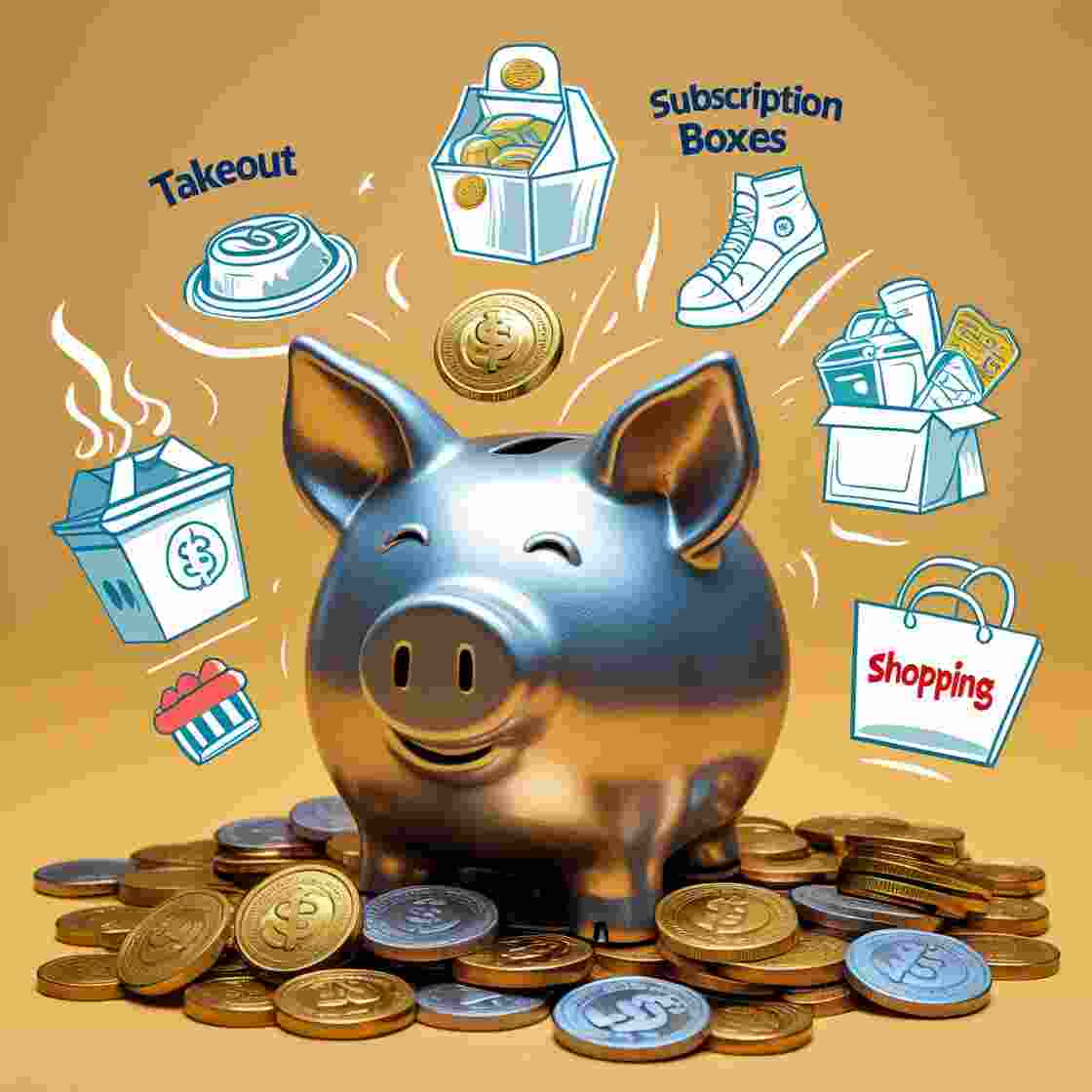
Uncover how lifestyle expenses impacting savings are silently draining your wealth. Learn 7 proven strategies to curb costly habits and secure your financial future today! #lifestyle expenses impacting savings, #hidden costs of lifestyle, #how to save money on lifestyle costs, #costly lifestyle habits to avoid, #lifestyle creep, #budgeting for lifestyle expenses, #saving money on daily habits

Introduction: Are Lifestyle Expenses Impacting Savings Threatening Your Financial Goals?
In today’s fast-paced world, lifestyle expenses impacting savings can quietly undermine your financial stability. Frequent meal orders, impulsive purchases, and many streaming subscriptions are just a few examples of the seemingly minor expenses that mount up and provide little opportunity for investments or savings. According to a 2023 study, 62% of urban households spend more than 40% of their income on discretionary lifestyle costs, which drastically lowers their ability to save. This blog post examines seven concerning ways that lifestyle expenses that affect savings are destroying your financial future and offers doable solutions to take back control. You can design a balanced lifestyle that promotes both enjoyment and financial security by taking care of these hidden expenses.
1. Convenience Spending: A Major Culprit
The allure of convenience is hard to resist, but it’s a leading factor in lifestyle expenses impacting savings. Although it’s difficult to refuse, convenience is a major component in lifestyle expenses that affect savings. Daily premium coffee purchases, ride-hailing applications, and takeaway orders may seem insignificant, but they gradually reduce your funds. Spending $5 a day on coffee, for example, adds up to $1,825 a year, which might be used to support an emergency fund.
How to Fix It: Use budgeting apps like Mint (mint.intuit.com) to keep track of your convenience spending for 30 days. Determine trends and establish a weekly spending limit for discretionary items. Making your own coffee or cooking at home can drastically cut lifestyle costs without compromising satisfaction.
2. Lifestyle Creep: When Income Growth Fuels
Lifestyle creep occurs when your spending rises with your income, making it a hidden driver of lifestyle expenses impacting savings. Upgrades like a larger automobile, designer clothing, or more regular dining out are sometimes the result of a new job or promotion. While it’s normal to celebrate accomplishments, excessive lifestyle creep can impede the growth of your funds. According to a 2024 survey, lifestyle expenses have an impact on savings, with 55% of professionals making over $75,000 saving less than 10% of their salary.
How Fix It: Use a 50-30-20 budget, which allocates 20% for debt repayment or savings, 30% for wants, and 50% for needs. Automate savings transfers to put financial objectives ahead of lifestyle costs that reduce savings. Free budgeting calculators are available from sites like NerdWallet (www.nerdwallet.com).
3. The Subscription Trap: Recurring Lifestyle Expenses Impacting Savings
Streaming services, gym memberships, and app subscriptions are modern necessities, but they contribute to lifestyle expenses impacting savings. The average consumer pays $20 to $50 a month for each subscription, which adds up to $720 to $1,800 a year for a variety of services. Due to their tiny size and automatic nature, these recurring charges frequently go unreported.
How to Fix It: Use resources such as Rocket Money (www.rocketmoney.com) to audit your subscriptions. Cancel services that aren’t being used—do you really need three streaming services? Splitting subscriptions among family members lowers living expenditures that affect savings. Examine your bank statements every month to identify any hidden fees.
4. Impulse Purchases: A Sneaky Source
Impulsive purchases, such as new technology or discounted goods, have a big influence on lifestyle costs that reduce savings. One-click transactions on online shopping platforms make spending easier. According to a 2025 consumer research, 68% of internet buyers make impulsive weekly purchases that have a direct impact on savings, averaging between $100 and $200 per month.
How to Fix It: Establish a 24-hour rule: don’t buy non-essentials for a day. Make a list of “wants” and review it a week later to determine its necessity. Use browser extensions like Honey (www.joinhoney.com) to find discounts, minimizing the impact of lifestyle expenses impacting savings.
5. Social Pressures Driving Lifestyle Expenses
Social media and peer pressure can inflate lifestyle expenses impacting savings by pushing you to “keep up” with others. Frequent social gatherings, expensive trips, or luxury clothing may seem essential to uphold status, but they can completely destroy your finances. According to studies, 47% of millennials spend too much on social events since their lifestyle costs deplete their resources.
How to Fix It: Prioritise your objectives and establish financial restrictions. Provide less expensive options, such as throwing a game night in place of eating out. Prioritise experiences that are consistent with your ideals over those that conform to social norms. To reduce lifestyle expenses that affect savings, The Financial Diet (www.thefinancialdiet.com) provides advice on thrifty socialising.
6. Digital Payments: Fuelling Unconscious Lifestyle Expenses
Digital wallets and contactless payments make spending feel effortless, masking lifestyle expenses impacting savings. It is more difficult to keep track of spending when you do not handle cash. According to a 2024 study, people who use digital payments spend 15-20% more than those who use cash, which exacerbates lifestyle costs that reduce savings.
How to Fix It: To experience the “pain” of parting with money, use it for discretionary spending. Configure your banking app to notify you when you surpass a certain spending limit. Apps like PocketGuard (www.pocketguard.com) can monitor digital transactions, helping you control lifestyle expenses impacting savings.
7. Daily Habits: Small Lifestyle Expenses Impacting Savings Add Up
Small everyday routines that affect savings include purchasing bottled water or munching while on the run. $2 a day for snacks adds up to $730 a year, which might be invested in a high-yield savings account. These little expenses are a hidden danger to your savings because they are frequently overlooked.
How to Fix It: To prevent needless purchases, make a plan in advance. Bring snacks from home and a reusable water bottle. Batch-prepare meals to reduce reliance on takeout, minimizing lifestyle expenses impacting savings. Investopedia provides advice on how to reduce daily spending without feeling deprived (www.investopedia.com).
Practical Strategies to Reduce Lifestyle Expenses Impacting Savings
To combat lifestyle expenses impacting savings, adopt these proactive steps:
- Track Spending: For 30 days, keep an eye on how lifestyle costs are affecting savings using spreadsheets or apps. Sort spending into three categories: savings, wants, and needs.
- Set a Budget: Set a budget by adhering to the 50-30-20 rule, which balances lifestyle costs that affect savings with financial objectives.
- Automate Savings: Prioritise saving above lifestyle items that have an influence on savings by setting up automatic payments to a savings account.
- Review Frequently: Every month, review bank statements and subscriptions to find and cut off lifestyle costs that are affecting savings.
- Plan Purchases: To lessen impulsive lifestyle expenses that affect savings, make a “wants” list and wait a day before making a purchase.
You may strengthen your financial foundation and drastically cut down on lifestyle expenses that affect savings by putting these suggestions into practice.
Conclusion: Take Charge of Lifestyle Expenses
Lifestyle expenses impacting savings are a silent threat to your financial future, but they’re not insurmountable. You may take charge of your finances by identifying expensive behaviours including lifestyle creep, subscription overload, and convenience purchasing. Start small by automating saves, creating a budget, and keeping track of your expenditures. By taking these actions, you can maintain a satisfying lifestyle while reducing lifestyle expenses that affect savings. Take action now to ensure a financially secure future and avoid letting these hidden expenses disrupt your plans!
FAQs
Q1: What are lifestyle expenses impacting savings?
Discretionary expenses such as eating out, subscriptions, or impulsive purchases are examples of lifestyle expenses that have an influence on savings since they take away from funds that could be saved or invested.
Q2: How can I tell which lifestyle costs are affecting my savings?
Use a spreadsheet or budgeting tool to keep tabs on your expenditures for 30 days. Sort spending into categories to identify lifestyle costs that are affecting savings and can be cut.
Q3: How does lifestyle creep affect savings and how does it contribute to lifestyle expenses?
When spending rises in tandem with income, it’s known as lifestyle creep and affects savings. By following a budget and automating saves, you can prevent it.
Q4: Is it possible to maintain happiness while lowering living costs that affect savings?
Indeed! Reducing lifestyle costs that affect savings entails putting the important things first, such as lowering subscriptions or selecting inexpensive activities, without compromising enjoyment.
Q5: What tools help manage lifestyle expenses impacting savings?
Apps that track and manage lifestyle spending that affect savings include Mint, YNAB, Rocket Money, and PocketGuard. Honey and other browser plugins help lower the cost of purchases.
Disclaimer
This article’s content is intended solely for educational purposes and is not intended to be financial advice. For individualised advice, speak with a certified financial planner. The results of savings and spending vary depending on the specific situation, and external links are just included for reference.
Also Read: