
Roadside Business Ideas to Start Today can help you start a profitable venture with low investment. Discover 10 business ideas, startup costs, income potential, and expert tips for success. Roadside Business Ideas to Start Today, roadside business ideas, profitable roadside businesses, low investment business ideas, roadside startup ideas, small business ideas India, roadside ventures, business ideas under 1 lakh, roadside shop ideas, roadside income opportunities
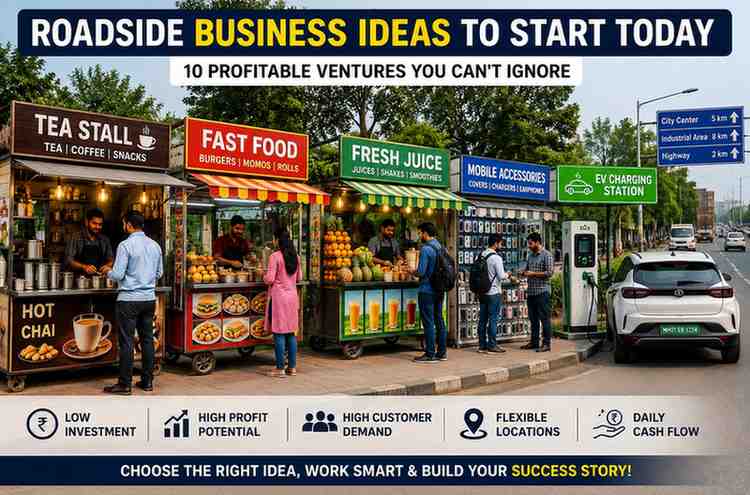
Update (2026): Now packed with fresh roadside ventures, this article walks through current numbers on costs, real income outlooks, shifts tied to electric vehicles, plus smart steps for launching. Every concept got deeper detail – alongside a breakdown chart, answers to common questions, and pointers on picking the right path so beginners weigh options wisely ahead of spending.
Introduction
One of the simplest methods to begin making money with a comparatively modest investment is still through roadside enterprises. They have greater visibility, everyday client traffic, and quicker cash flow than many traditional enterprises. Roadside businesses serve daily necessities that generate steady demand, from tea booths and fast-food carts to mobile accessory stores and EV charging stations.
The best aspect is that a lot of these companies can be launched without a big office, a lot of employees, or a lot of infrastructure. Entrepreneurs working with limited capital often explore business ideas under 1 lakh in India before selecting a venture that matches their budget and skills. Most of what makes a venture work comes down to spot selection, knowing what people want, staying consistent with how things are done. This piece walks through ten ways to earn by the road, each shaped around setup costs, income outlook, strong points, hurdles faced, real-world pointers that shape smarter picks.
Why Roadside Businesses Remain Profitable
It’s a common misconception that roadside businesses are obsolete, but the truth is very different. Because they cater to clients precisely where there is a need, these businesses continue to prosper.
- Elevated Visibility: Constant exposure to passing clients is beneficial for a roadside business. Roadside businesses frequently get clients just by virtue of their position, in contrast to internet companies that extensively invest in promotion.
- Minimal Initial Expenses: Investments between ₹20,000 and ₹2 lakh can be used to launch a variety of roadside enterprises. This makes them available to people with little money and those starting their own business.
- Cash Flow Every Day: After buying goods or services, customers usually pay right away. This lessens reliance on credit sales and produces consistent cash flow.
- Crucial Goods and Services: Numerous roadside shops serve everyday needs like food, drinks, auto maintenance, and convenience goods. Even in times of economic contraction, demand is comparatively steady.
- Adaptable Business Structures: Entrepreneurs might start small and grow over time. A tiny food cart can eventually grow into a restaurant, while a tea shop can develop into a café.
- Low Marketing Costs: Instead than using costly advertising campaigns, roadside companies frequently rely on foot traffic, client recommendations, and repeat business.
- Increasing Use of Digital Payments: Both consumers and company owners now find transactions easier thanks to UPI and mobile payment solutions. Additionally, digital payments enhance client ease and record-keeping.
- Possibility of Growth: By adding more goods and services, profitable roadside businesses can boost their earnings. Eventually, a lot of business owners diversify their products or open several locations.
Business owners who manage profits wisely often apply principles similar to those found in smart money management strategies to build long-term financial stability.
Quick Comparison of the Top Roadside Business Ideas
| Business Idea | Investment | Potential Monthly Income |
|---|---|---|
| Tea & Coffee Stall | ₹20,000–₹1 lakh | ₹20,000–₹80,000+ |
| Fast Food Stall | ₹50,000–₹2 lakh | ₹30,000–₹1.5 lakh+ |
| Juice & Smoothie Stall | ₹30,000–₹1.5 lakh | ₹25,000–₹1 lakh+ |
| Mobile Accessories Shop | ₹50,000–₹3 lakh | ₹30,000–₹1.2 lakh+ |
| Vehicle Washing Service | ₹50,000–₹2 lakh | ₹40,000–₹1.5 lakh+ |
| Tyre Puncture Service | ₹30,000–₹1 lakh | ₹25,000–₹80,000+ |
| EV Charging Station | ₹1 lakh–₹10 lakh+ | Location Dependent |
| Beverage Kiosk | ₹30,000–₹1.5 lakh | ₹20,000–₹80,000+ |
| Courier Collection Point | ₹50,000–₹2 lakh | ₹20,000–₹1 lakh+ |
| Highway Snack Center | ₹1 lakh–₹5 lakh | ₹50,000–₹2 lakh+ |
1. Tea and Coffee Stall
Out there by the road, you’ll often spot a small setup selling tea and coffee – common across India. Because drinking tea runs through daily life here, huge numbers of folks sip it again and again throughout their day.
Why This Business Works
All year long, there is a steady demand for tea and coffee. If customers appreciate the taste, quality, and service, they frequently return.
Investment Required
A modest tea stall can be started for between ₹20,000 and ₹1 lakh, depending on setup quality, equipment, and location.
Skills Required
- Basic beverage preparation
- Customer service
- Inventory management
Advantages
- Low startup cost
- Fast cash flow
- High repeat customer potential
- Easy scalability
Challenges
- Strong local competition
- Maintaining consistent quality
- Weather-related fluctuations
Success Tips
Start close to workplaces, transit hubs, schools, or colleges. Because having nearby foot traffic helps. Maybe sell quick bites like cookies, subs, or fried pastries so people spend more per visit.
2. Fast Food Stall
Fast food businesses continue to attract customers because they provide quick, affordable meals. Popular options include:
- Momos
- Burgers
- Sandwiches
- Vada Pav
- Dosa
- Kathi Rolls
Why This Company Is Successful
Due to their hectic lifestyles, people are choosing more convenient lunch options. Significant daily sales can be produced by a well-run fast food stand.
Investment Needed
Between ₹50,000 and ₹2 lakh
Skills Required
- Preparing food
- Control of inventory
- Hygiene management
Benefits
- High demand
- High profit margins
- Possibility of creating a well-known brand
Challenges
- Compliance with food safety regulations
- Variations in the cost of ingredients
Success Strategies
- Competitions, Pay attention to uniformity, Flavour, and cleanliness. Providing distinctive menu options might help set your company apart from rivals.
Food entrepreneurs should familiarize themselves with registration requirements available through FSSAI.
3. Fresh Juice and Smoothie Stall
Growing health awareness has increased demand for fresh beverages.
Why This Business Works
Many customers prefer natural drinks over carbonated beverages. Seasonal fruits provide opportunities to introduce new menu options throughout the year.
Investment Required
₹30,000 to ₹1.5 lakh
Skills Required
- Fruit handling
- Beverage preparation
- Customer interaction
Advantages
- Healthy product category
- Good seasonal demand
- Relatively simple operations
Challenges
- Perishable inventory
- Seasonal fluctuations
- Equipment maintenance
Popular Products
- Sugarcane juice
- Watermelon juice
- Orange juice
- Mixed fruit smoothies
- Coconut water
Success Tips
Use fresh ingredients and maintain strict hygiene standards. Displaying fruit preparation openly can increase customer trust.
4. Mobile Accessories Shop
Smartphones are now necessary for work, play, and communication. As a result, there is a constant need for accessories and associated goods.
Why This Business Works
Customers frequently replace damaged accessories or upgrade existing ones.
Investment Required
₹50,000 to ₹3 lakh
Products You Can Sell
- Mobile covers
- Screen protectors
- Earphones
- Chargers
- Power banks
- Bluetooth accessories
Advantages
- Consistent demand
- Higher profit margins on accessories
- Compact inventory requirements
Challenges
- Rapid product changes
- Inventory management
- Price competition
Success Tips
Offer screen guard installation and basic mobile troubleshooting services. These additional services can significantly increase earnings.
5. Vehicle Washing Service
Vehicle owners increasingly prefer professional cleaning services due to time constraints.
Why This Business Works
Cars and motorcycles require regular cleaning to maintain appearance and resale value.
Investment Required
₹50,000 to ₹2 lakh
Services You Can Offer
- Car washing
- Bike washing
- Interior cleaning
- Vacuum cleaning
- Waterless washing
Advantages
- Recurring customers
- Growing vehicle ownership
- Upselling opportunities
Challenges
- Water availability
- Equipment maintenance
- Weather dependency
Success Tips
Monthly membership plans can create predictable recurring income. As profits grow, many entrepreneurs explore broader financial planning and business expansion through wealth-building strategies.
6. Tyre Puncture Repair Service
A tyre puncture repair business is one of the most recession-resistant roadside ventures because vehicle owners need immediate assistance when a puncture occurs.
Why This Business Works
Unlike discretionary purchases, tyre repairs are often urgent. Customers rarely compare multiple service providers when stranded, making location a critical success factor.
Investment Required
₹30,000 to ₹1 lakh
Skills Required
- Basic tyre repair techniques
- Air pressure management
- Customer handling
Services You Can Offer
- Puncture repair
- Air filling
- Tube replacement
- Tyre pressure checks
- Minor wheel maintenance
Advantages
- Consistent demand
- Low startup investment
- Quick service turnaround
- High customer dependency
Challenges
- Long working hours
- Weather exposure
- Dependence on location
Success Tips
Set up near highways, fuel stations, transport hubs, or busy roads. Adding nitrogen filling and emergency roadside assistance can increase profitability.
7. EV Charging Station
Electric vehicle adoption is steadily increasing across India. As more consumers switch to EVs, charging infrastructure is becoming a necessity.
Why This Business Works
The government continues to encourage EV adoption, and vehicle manufacturers are launching new electric models regularly. This trend creates long-term business potential.
Investment Required
₹1 lakh to ₹10 lakh+ depending on charging capacity and infrastructure.
Skills Required
- Basic electrical knowledge
- Equipment management
- Customer service
Advantages
- Future-focused business
- Growing demand
- Potential for long-term recurring income
Challenges
- Higher initial investment
- Power supply requirements
- Regulatory compliance
Success Tips
Locations near highways, shopping centres, residential complexes, and commercial districts typically offer strong growth potential. Information on entrepreneurship and start-up support programs is available through Startup India.
8. Drinking Water and Cold Beverage Kiosk
People frequently purchase bottled water and cold beverages while commuting, shopping, or traveling.
Why This Business Works
Hydration is a basic necessity, ensuring year-round demand. During summer, sales often increase significantly.
Investment Required
₹30,000 to ₹1.5 lakh
Products to Sell
- Bottled water
- Soft drinks
- Packaged juices
- Energy drinks
- Flavored milk
- Coconut water
Advantages
- Simple operations
- Low skill requirements
- Quick inventory turnover
Challenges
- Seasonal demand variations
- Refrigeration costs
- Competition
Success Tips
Position the kiosk near bus stands, markets, educational institutions, or tourist attractions. Clean storage and visible pricing help build customer trust.
9. Courier and Parcel Collection Point
The rise of e-commerce has created opportunities for local parcel collection and drop-off services.
Why This Business Works
Many customers prefer nearby pickup points rather than waiting at home for deliveries. Businesses and individuals also require document and parcel dispatch services regularly.
Investment Required
₹50,000 to ₹2 lakh
Skills Required
- Basic computer knowledge
- Record keeping
- Customer service
Services
- Parcel collection
- Package dispatch
- Document handling
- E-commerce pickup services
Advantages
- Growing industry
- Recurring customer base
- Multiple revenue streams
Challenges
- Partnership requirements
- Tracking responsibilities
- Operational accuracy
Success Tips
Partner with multiple logistics providers to increase customer traffic and revenue opportunities.
10. Highway Snack and Refreshment Centre
Travelers often stop during long journeys for refreshments, meals, and short breaks. This makes highway snack centers highly attractive roadside businesses.
Why This Business Works
Highways generate continuous traffic throughout the day. Drivers and passengers regularly seek food, beverages, and rest stops.
Investment Required
₹1 lakh to ₹5 lakh
Skills Required
- Food service management
- Inventory management
- Customer service
Products to Offer
- Tea and coffee
- Snacks
- Cold drinks
- Light meals
- Packaged foods
Advantages
- High customer volume
- Multiple product categories
- Strong profit potential
Challenges
- Inventory management
- Food quality maintenance
- Staffing requirements
Success Tips
Clean washrooms, adequate seating, and quality food can significantly increase customer retention and word-of-mouth referrals. Business owners seeking financial discipline can benefit from applying principles from effective money management habits to reinvest profits and support long-term growth.
How to Choose the Right Roadside Business
Selecting the right roadside business is often more important than the amount of money invested.
- Assess Local Demand: Keep an eye on what individuals in your target location usually buy. While a puncture repair shop would do better next to a highway, a tea vendor might do well next to offices.
- Examine Foot Traffic: More consumers are typically the result of more visibility. Before deciding on a site, count the number of cars and pedestrians.
- Recognize Your Budget: Steer clear of financial overstretching. After startup expenditures, pick a company that permits adequate working capital.
- Evaluate the Competition: Competition isn’t always a negative thing. It frequently shows current demand. Profit margins, however, may be lowered by intense competition.
- Think About Licensing Requirements: Registrations and compliance procedures may be necessary for food enterprises. Prior to starting activities, always confirm local requirements.
- Align Your Interests and Skills: Because you’ll stay motivated in the face of difficulties, a firm that plays to your talents has a greater chance of long-term success.
Entrepreneurs who want additional startup inspiration can explore low-investment business opportunities that require limited capital and operational complexity.
Common Mistakes to Avoid
- Selecting an Unsuitable Site: If there is not enough client traffic, even the best business idea may fail. Always do much study before visiting a place.
- Disregarding Client Preferences: Companies that don’t adjust to the needs of their clients frequently find it difficult to keep repeat business.
- Low Standards of Hygiene: This is particularly crucial for companies that sell food and beverages. Customer trust and repeat business are directly impacted by cleanliness.
- Operating Cost Underestimation: Profitability can be greatly impacted by costs related to inventory, utilities, maintenance, transportation, and licensing.
- Absence of Options for Digital Payments: UPI and other digital payment options are preferred by many customers. Sales may decline if digital payments are refused.
- Inadequate Budgeting: Due to entrepreneurs combining personal and corporate finances, many small enterprises fail. It is crucial to learn the fundamentals of money management.
Growing businesses should also understand the importance of protecting business operations through appropriate insurance planning as risks increase.
Conclusion
Because they combine inexpensive initial expenses with the possibility for consistent income, roadside companies continue to present fantastic prospects for prospective entrepreneurs. Success is mostly dependent on location, client happiness, and reliable operations, regardless of the type of business you choose—a tea stall, car service, mobile accessory store, or EV charging station. Prior to making an investment, consider your available budget, the competition, and local demand. It is possible to lower risk and increase long-term profitability by starting with a manageable firm and progressively growing. A roadside company can develop into a dependable source of revenue and a basis for future expansion with the right preparation and commitment.
Final Thoughts
One of the easiest methods to launch a business with little funding is still through roadside enterprises. Selecting a business that fits your talents and the local demand is crucial. Success depends on location, customer service, consistency, and financial discipline, regardless of the type of business—tea stall, fast food, car service, or courier collecting point. Start small, concentrate on client pleasure, and strategically reinvest earnings. Many prosperous companies started out as small roadside businesses before expanding into bigger ones.
FAQs
Q1: Which roadside business is most profitable?
Food-related businesses, highway refreshment centers, and vehicle services often generate strong profits due to recurring customer demand and daily cash flow.
Q2: Can I start a roadside business with ₹50,000?
Yes. Tea stalls, juice stalls, puncture repair services, and beverage kiosks can often be launched within this budget range.
Q3: Do roadside businesses require licenses?
Certain businesses, particularly food-related ventures, may require registrations and local approvals depending on regulations in your area.
Q4: How much can a roadside business earn monthly?
Monthly income varies significantly by location and business type. Many roadside businesses earn between ₹20,000 and ₹1.5 lakh or more per month.
Q5: Which roadside business has the lowest investment requirement?
Tea stalls, puncture repair services, and drinking water kiosks generally require relatively low startup capital.
Q6: Is an EV charging station a good business opportunity?
EV charging stations can be promising long-term ventures as electric vehicle adoption continues to grow across India.
Q7: What is the most important factor for roadside business success?
Location is often the most important factor because it directly affects visibility, customer traffic, and sales potential.
Disclaimer
Numbers shown here for costs and earnings are rough guesses. Location can shift outcomes – so might rivals or how well you run things. Each area has its own rules about permits, some stricter than others. Think of this piece as a starting point, nothing more. What works somewhere else might fail where you are. Decisions need homework, not just hope. Guidance here does not replace expert help with laws or money plans.