
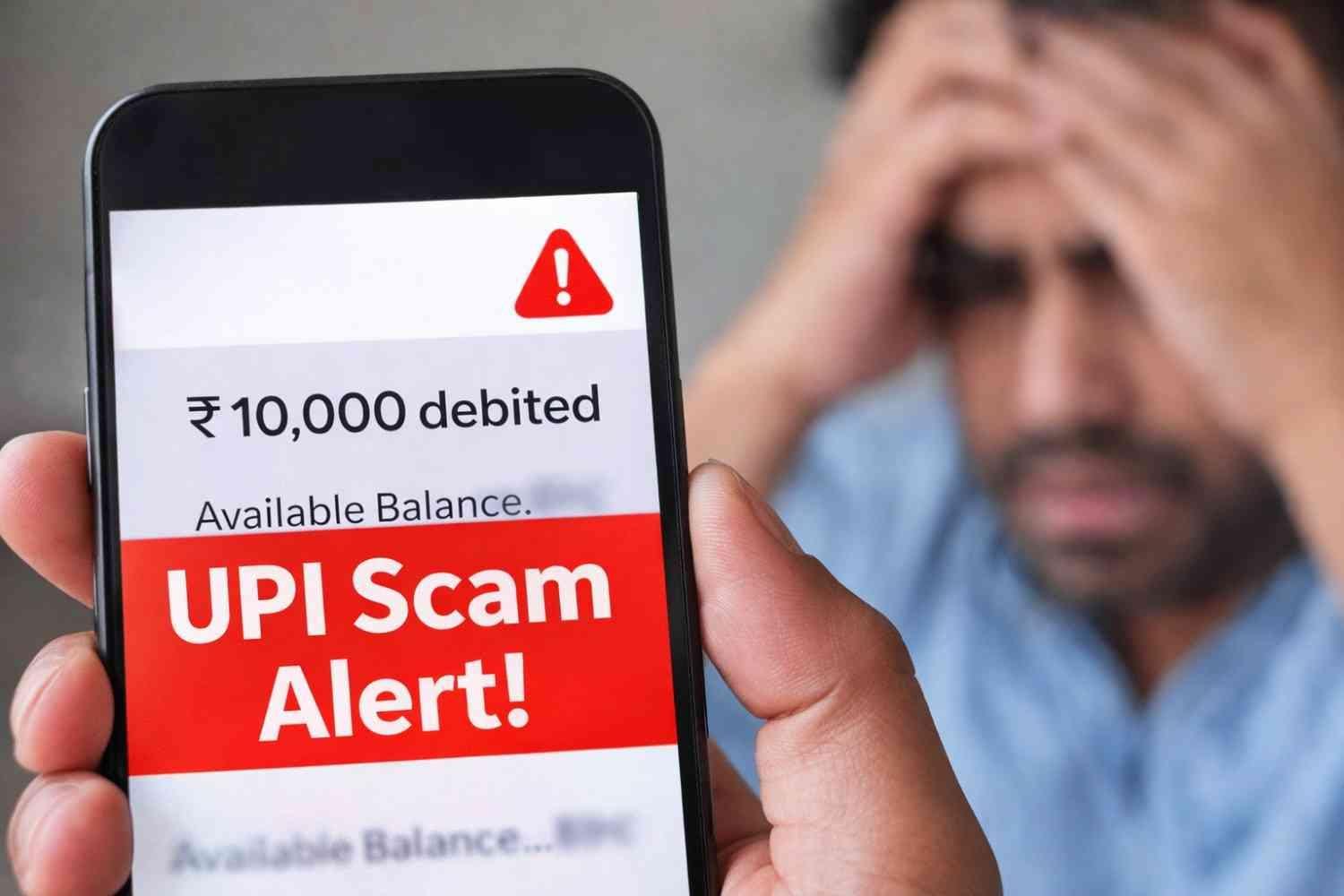
UPI scam alert! Money deducted from your account? Discover 5 urgent steps to recover your money, report fraud instantly, and protect your bank account before it’s too late. UPI scam alert, UPI fraud recovery India, money deducted UPI scam, cyber crime complaint India, how to recover money from UPI fraud, UPI fraud what to do.
Introduction
Out here, money moves quick through phones now – UPI cuts steps, sure, yet slips open chances for trickery too. Out of nowhere, people see cash vanish, puzzled, never clicking on anything strange at all. This growing threat makes every UPI scam alert extremely important for anyone using digital payments in India. Surprisingly, many believe fraud occurs simply from being careless – yet sharp individuals get caught too, since manipulators rely on clever mind games. What really trips folks up isn’t only the trickery, rather it’s the foggy sense of next steps once cash vanishes. That hesitation? It spreads fast, quietly chipping away at any hope of getting funds back.
Moving fast helps keep your cash within reach. Should you hesitate or choose poorly, hope fades fast. This path walks through each move carefully. Getting it right matters more now than ever before. Wrong turns cut off your options fast. Clarity comes from following these pieces closely. Every part fits only one way. Skipping details risks everything at once.
UPI Scam Alert: What To Do Immediately If Money Is Deducted
When you receive an unexpected debit notification from your bank, especially if you haven’t approved any transactions, it might cause immediate worry. Because of the growing prevalence of this issue throughout India, this UPI scam alert is more than just an awareness piece—it’s a crucial manual that can assist you in making the appropriate decision at the appropriate moment. It’s a common misconception that money that has been deducted is lost forever, but this isn’t always the case. How promptly and wisely you react to the occurrence is what really makes the difference between recovery and irreversible loss.
Most people wait too long to report, get confused by what happens next, or freeze up when it matters. That hesitation plays right into the hands of scammers. Right after money vanishes, every second counts since transfers jump fast between many accounts. Jumping in fast means someone might still cut off the flow before it spreads further. Wait even a little, then funds slip deeper, hopping from one place to another until they vanish completely.
When scams happen through UPI, knowing your next move isn’t a luxury – it’s necessary. As more people pay online, being ready with solid steps becomes essential for everyone. Because reasons matter just as much as actions, this guide covers both what to do and why it works that way.
Why UPI Scam Cases Are Increasing Rapidly
One wrong tap can undo what took minutes to build. As phones handle more money, tricks evolve too – silent, sharp, hidden in plain taps. Speed helps everyone: users, thieves, even those who pretend to help. Mistakes now carry heavier costs than before. What feels smooth often skips safety checks. Trust grows fast when things work – until they do not. Most people just do not understand how UPI functions behind the scenes. Since some think a PIN must be entered to get funds, criminals take advantage using false payment prompts. Instead of breaking into devices, attackers now watch what happens on screens during remote sessions. These shared views let them see private details while staying one step ahead.
Pressure changes how people respond. A fake call saying your money is at risk might push someone into quick decisions. When fear takes over, logic often steps back. Someone who sounds official could say urgent steps are needed right now. These tricks target anyone, no matter their background. Mistakes happen fastest when emotions run high. Fraud’s world keeps shifting shape. New patterns emerge where old ones fade. You can explore broader patterns in digital fraud through this detailed breakdown of digital payment frauds in India, which highlights how different methods are interconnected. The ease with which human conduct can be swayed under duress is the reason behind this increase in fraud, not only technology.
5 Urgent Steps to Recover Your Money After UPI Fraud
1. Call 1930 Immediately (Golden Action Window)
Right away after spotting fake activity, get on the phone to India’s cyber fraud emergency line – dial 1930. Built only for money scams, it moves quicker than nearly any alternative route. The moment that call connects, your report goes live into the system. Officials then work to track down the payment path, trying to block funds before they vanish through another account.
Minutes matter more than most realize. When money vanishes through fake schemes, it jumps between accounts fast – every second lost lowers the odds of getting anything back. Dialing 1930 right away might freeze things before they vanish completely. Experts sometimes call this narrow window the “golden hour,” simply because acting quickly changes outcomes in ways small delays cannot match.
Most people freeze when they spot fraud, hesitating to call for help until they are sure. Because of this pause, criminals slip money through layers of fake accounts. Think fast if something feels wrong – treat each alert like a firebell ringing at midnight. Someone on the line will walk beside you, step by step, voice calm, clear. Reports get passed straight into official hands, no detours.
2. File a Complaint on the Cyber Crime Portal
The next step is to properly record the fraud via the official reporting mechanism after contacting the helpline. The National Cyber Crime Reporting Portal is the government platform where you can submit detailed complaints related to financial fraud. Start strong by knowing each report builds a paper trail that backs your claim. This step drops your issue into the right system where rules and checks apply. Details matter – hand over transfer records, images, login data, along with every message traded with the fraudster. Accuracy lifts the odds; sharp facts open doors. Length stays fixed, just like asked.
Skipping this part could slow things down. When people call 1930 but stop there, they lose ground fast. Proof matters because investigators need something to build on. Officials tend to move only when paper trails exist. So starting strong makes a difference later.
3. Inform Your Bank Without Delay
Right away after spotting fraud, get in touch with your bank – use customer service, the app, or stop by a branch. The moment they know, systems inside the bank can mark odd activity fast. Funds might stay put for now, if the alert comes early enough. A key player in getting things sorted? That’s your bank.
Start by telling your bank exactly what happened – make sure they understand it’s urgent. Get them to pause your UPI right away, lock down your account, then see if a transaction can be undone. Tracking money usually involves several banks joining forces, though that only helps if you speak up fast. The quicker you act, the better their response tends to be.
When things go sideways, knowing what banks do might keep you one step ahead. Understanding how banks handle such situations can also help you stay prepared. You can refer to insights on UPI fraud in India to understand how banking systems respond to fraud cases and what role they play in recovery.
4. Collect and Preserve All Evidence
Start by holding on to every clue – proof keeps a fraud probe alive. Each piece gathered adds weight, making repayment more likely. Right away, store transaction IDs; keep texts that show what happened. Snap pictures of chats, jot down numbers used. Save links too, along with any app tied to the scam. Following the money trail lets officials spot which bank profiles are connected. Often, scam operations rely on chains of tied-together profiles – these helpers go by another name: mule accounts.
Understanding this system becomes easier when you explore cases like money mule accounts in India, which explain how stolen money is circulated. Acting fast is crucial to preventing the loss of any data. Don’t remove applications or erase communications before gathering proof. During an inquiry, even seemingly little details can become vital.
5. Secure Your Device and Accounts Immediately
Right away, focus on stopping more harm when fraud happens. When scammers gain access through shared screens, odd apps, or shady links, assume your device is at risk. Get rid of questionable programs without delay. Update every password linked to financial accounts right after. Start by changing your UPI PIN right away – lock things down before trouble spreads. Your email plus phone logins? Lock those too. One weak spot might let crooks slip into several places at once. Jump on fixes now so money doesn’t vanish later.
Most times, fraud doesn’t happen alone. Linked to things like stolen cards or hacked accounts, it spreads quietly through weak spots. Learning from related cases like credit card chargeback mistakes in India can help you understand how financial systems respond when fraud extends beyond
Mistakes That Can Cost You Your Money
It’s often not the scam that costs people their money, yet what follows. Hours pass – sometimes days – while those affected sit back, thinking banks fix things on their own. Reality hits later: UPI transfers won’t unwind just because someone hopes they do. Waiting kills chances faster than the theft ever did.
Most folks brush off tiny losses, assuming they’re too minor to matter. Yet crooks rely on those little transfers to check if an account works. A single low-value attempt can mean someone’s probing for weaknesses. When no one flags these, the system stays open for bigger theft later. Silence feeds the cycle, letting shady operations run without pause.
A few people forget to tell their bank, or they never submit an official report. When there’s no paper trail, getting money back becomes much harder. Stress clouds judgment, making choices even tougher during chaos. Stopping those errors matters just as much as doing the correct things.
Can You Recover Money After a UPI Scam?
Things can get better, yet that outcome isn’t certain. Moving fast helps, so does keeping clear records, while also having a trail the money left behind matters just as much. Catching the problem early – right after it happens – means someone might stop the payment before it vanishes. When reports come in during those first critical hours, chances improve noticeably.
Once cash vanishes into distant accounts, getting it back twists into a knot. Officials team up with banks to chase shady transfers, yet speed matters more than anything else. That urgency? It keeps coming up for a reason. Some people get their money back – sometimes all of it. What ties those situations together? Acting quickly. When reports come late, the cash usually vanishes for good.
Real-Life Example (Understanding the Impact)
A man in Delhi picked up the phone, voice on the line saying they were from his bank. They got him to download a screen-sharing tool – said it would fix some problem. Minutes later money vanished from his account. He did not shout or freeze – he dialed 1930 fast, told them what happened, then reached out to the bank. That speed made the difference – one chunk of cash stayed locked away before thieves grabbed it.
A single missed alert changed everything. That tiny ₹500 charge seemed harmless at first. Days passed before another withdrawal hit – far bigger this time. Without an early report, investigators struggled to follow the trail. Clues vanished fast. The delay sealed the outcome: every rupee lost for good.
Outcomes shift fast when response time cuts through confusion. Awareness shapes results just as much, moment by moment.
Where to Report UPI Fraud Officially
Fraud reports need to go where they belong – keeps things moving on two fronts. One path leads to getting money back, the other to consequences under law. Two main spots handle these cases properly
- National Cyber Crime Reporting Portal
- 1930 Cyber Fraud Helpline
Most times, these systems speed up work on money scams by linking directly to police and bank teams. When reports go through backdoor routes or come late, fixes lose strength fast.
Quick Action Checklist (Save This)
- Call 1930 immediately
- File complaint on cybercrime portal
- Inform your bank
- Save all evidence
- Secure your device and accounts
Final Warning
Scammers aren’t only hacking systems – they’re counting on how people react under pressure. Thinking “this won’t affect me” opens the door wider than most realize. As tricks shift week by week, staying alert isn’t optional – it’s built into daily caution. Quiet moments of doubt often protect more than quick confidence ever could. Minutes decide whether cash vanishes or returns. When trouble hits, pause too long, lose it all. Move fast instead – stick to the plan, see each odd payment as a fire needing water now.
Conclusion
Digital payments in India changed fast once UPI arrived, yet scams found their way in too. With more people reporting trick attempts, knowing what to watch for matters now more than ever. Instead of only learning how fraud works, think ahead – what you do next counts. Staying safe means making protection part of daily habits, not waiting until something goes wrong. New threats show up often, so keeping up isn’t optional – it’s necessary. Fast moves help, especially when you stick to the correct path while skipping typical errors. What matters most? Staying alert then doing what’s needed – that shield works better than anything else.
FAQs
Q1: After a UPI fraud, what should be done first?
Right away, get in touch with the 1930 cyber fraud hotline – report what happened without delay. When you move fast, officials might block the transfer path before funds disappear.
Q2: Can banks reverse UPI transactions after fraud?
Once fraud gets flagged early, banks sometimes pull back the payment – provided cash hasn’t vanished into tangled paths. Yet when sums hop through several hands or land in someone’s pocket, pulling them out again grows rare.
Q3: Is it required to file a complaint on the cybercrime portal?
Filing a report through the official website sets down proof of the scam, which backs up your position. Because this step happens, law enforcement can link with financial institutions, following where money goes with better results.
Q4: Can con artists get into my account without an OTP?
Yes, sometimes. Scammers often rely on screen sharing tools instead of stealing codes directly. Phishing links come into play here too. Social tricks help them steer what users do. Manipulation opens doors where passwords alone would block access.
Q5: After a UPI scam, how long does it take to get your money back?
Most times it stops fast if someone speaks up soon after noticing. When cash flows into tangled routes, things stretch out much longer. A few situations wrap up quick – others drag, sometimes without bringing everything back.
Q6: Is it feasible to totally avoid UPI scams?
One wrong click can open the door. Staying alert helps block many threats before they start. When something feels off, stepping back makes a difference. Messages asking for details deserve a second look. Jumping fast on warnings cuts harm short.
Disclaimer
Just so you know, this piece shares info on UPI scams and how people try to get money back. Though care went into getting things right, what happens can differ based on your bank and situation. Check with your bank or trusted sites before acting – details might shift slightly elsewhere. The person who wrote this isn’t promising results nor taking blame if something goes wrong. When fraud hits, go straight to verified government channels instead of guessing next steps.